

Which Luxury Hotel Mattresses Offer Best Durability for Hotels?
Discover how high-density edge support, pocketed coil gauges, and reinforced upholstery layers define durability in luxury hotel mattresses. This guide explores technical specifications like ILD ratings and coil counts to ensure long-term ROI for high-traffic hospitality environments.
- Why do luxury hotel mattresses fail prematurely in high-traffic suites?
- How does coil count impact the lifespan of hospitality bedding?
- What foam density is required for long-term hospitality performance?
- Are double-sided mattresses still viable for modern luxury hotels?
- Does the foundation affect the durability of hotel mattresses?
- How do cooling technologies influence the degradation of mattress materials?
- Frequently Asked Questions
In the high-stakes world of custom hotel furniture, the durability of luxury hotel mattresses is not merely a comfort metric but a critical financial asset. Superior longevity is achieved through a combination of high-tensile carbon steel pocketed coils, high-density soy-based foams with an Indentation Load Deflection (ILD) tailored for hospitality, and reinforced perimeter encasements. While retail models focus on initial plushness, professional-grade hospitality sleep systems prioritize structural integrity to prevent sagging and edge failure under the 24/7 usage cycles typical of five-star properties.
Why do luxury hotel mattresses fail prematurely in high-traffic suites?
Premature failure in luxury hotel mattresses is rarely about the fabric and almost always about internal component fatigue. In many cases, hotels specify residential-grade units that lack the necessary foam density—specifically, anything under 1.8 lbs per cubic foot will oxidize and compress within 36 months of heavy use. Furthermore, the absence of a heavy-duty 6-gauge border wire or high-density foam encasement leads to edge roll-off, where guests feel the mattress collapsing when sitting on the side. True hospitality durability requires a balanced coil-to-foam ratio and internal tufting that prevents the shifting of comfort layers over time.
How does coil count impact the lifespan of hospitality bedding?
There is a common industry myth that a higher coil count automatically equals better durability. In reality, the wire gauge and tempering process are far more significant factors for luxury hotel mattresses. A 1,000-count pocketed coil system using 13-gauge steel will significantly outlast a 2,000-count system using thinner 15-gauge wire. For maximum durability, look for double-tempered steel coils which have been heated twice to ensure they return to their original shape after compression, effectively resisting the permanent body impressions that plague lower-quality furniture sets.
What foam density is required for long-term hospitality performance?
To maintain the structural integrity of luxury hotel mattresses, the comfort layers must utilize high-resiliency (HR) foams. In the custom hotel furniture sector, we recommend a minimum density of 2.0 to 2.5 lbs for memory foam layers and 1.8 lbs for poly-foams. Lower densities contain more air pockets, which collapse under the repeated weight of diverse guest profiles. By utilizing higher density materials, the mattress maintains its pressure-relieving properties for 7 to 10 years, rather than the 3 to 5 years seen with standard retail-grade alternatives.
Are double-sided mattresses still viable for modern luxury hotels?
While the industry moved toward one-sided no-flip designs for maintenance ease, double-sided luxury hotel mattresses remain the gold standard for extreme durability. By allowing housekeeping to flip and rotate the sleep surface, you effectively double the lifespan of the upholstery layers. However, this requires a specialized internal support structure that can handle compression from both sides. For properties with rigorous maintenance protocols, a flippable design offers the highest possible ROI by distributing mechanical wear across two distinct surfaces.
Does the foundation affect the durability of hotel mattresses?
A mattress is only as durable as the surface it rests upon. In the context of custom hotel furniture, using an old box spring with a new luxury mattress is a recipe for structural failure. Modern luxury hotel mattresses require a rigid, non-flexing platform or a heavy-duty steel grid foundation. A flexible base causes the mattress to bow, putting undue stress on the coil joins and foam adhesives. Ensuring a perfectly level, ventilated, and solid support system can extend the functional life of a hospitality mattress by up to 25%.
How do cooling technologies influence the degradation of mattress materials?
Heat is a primary catalyst for the chemical breakdown of foam layers. Luxury hotel mattresses that incorporate phase-change materials (PCM) or open-cell gel infusions do more than just provide guest comfort; they protect the mattress core. By regulating the internal temperature, these technologies prevent the foam from softening excessively during use, which reduces the rate of permanent indentation. Investing in advanced cooling covers and breathable comfort layers is a strategic move to preserve the mechanical properties of the internal components.
At STARJOY, we understand that the intersection of luxury and durability is where hospitality profitability thrives. With over 15 years of expertise in the custom hotel furniture industry, we engineer sleep solutions that withstand the rigors of global travel while maintaining the uncompromising comfort expected by elite clientele. Our technical approach to material selection and manufacturing ensures that every unit we produce serves as a long-term asset for your property.
Contact us today for a comprehensive technical consultation and a competitive quote for your next project via www.starjoyglobal.com or reach out directly to monica@starjoyglobal.com.
Frequently Asked Questions
Why do luxury hotel mattresses fail prematurely in high-traffic suites?
Failure is usually caused by low foam density (under 1.8 lbs) and lack of reinforced edge support. High-traffic environments require high-density foams and 6-gauge border wires to prevent sagging and edge collapse.
How does coil count impact the lifespan of hospitality bedding?
Coil count is less important than wire gauge and tempering. Double-tempered steel coils (ideally 13-gauge) provide better long-term shape retention than high-count systems using thinner wire.
What foam density is required for long-term hospitality performance?
For luxury hotel mattresses, a minimum density of 1.8 lbs for poly-foams and 2.0 to 2.5 lbs for memory foam is required to prevent the material from collapsing and forming permanent body impressions.
Are double-sided mattresses still viable for modern luxury hotels?
Yes, double-sided mattresses offer superior durability by allowing wear to be distributed across two surfaces, though they require more maintenance effort from housekeeping staff.
Does the foundation affect the durability of hotel mattresses?
Absolutely. A mattress requires a rigid, non-flexing foundation. Using an old or flexible base can cause the mattress to bow, leading to structural failure of the coils and adhesives.
How do cooling technologies influence the degradation of mattress materials?
Cooling technologies like phase-change materials prevent heat buildup, which slows the chemical breakdown of foam layers and helps maintain the mattress's structural integrity over time.
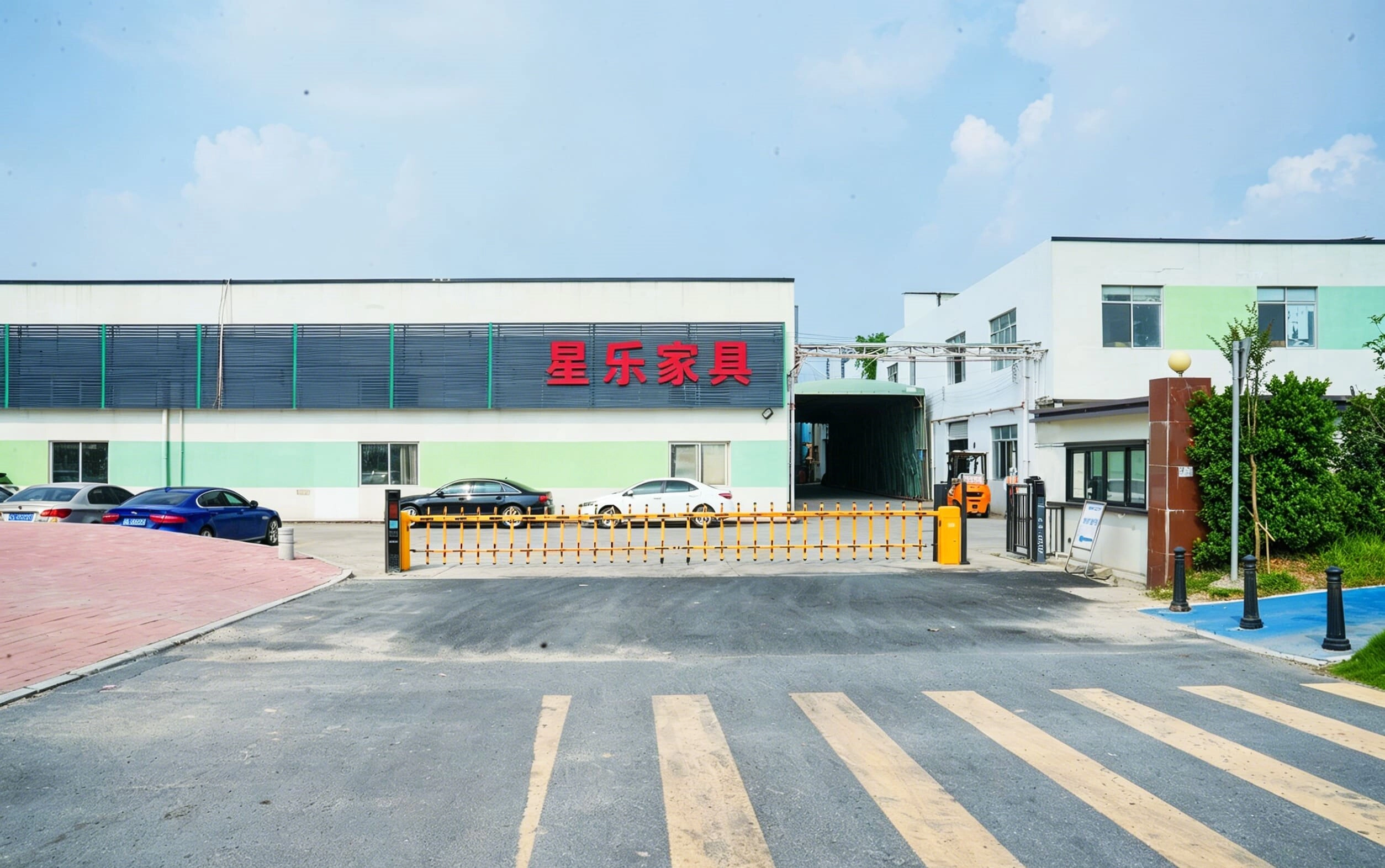
Starjoy Furniture Wins Multiple Authoritative Honors, Becomes Core Supplier of Top Hotel Brands

Integrating Tech: Power Outlets in Bespoke Furniture for Hotel Rooms
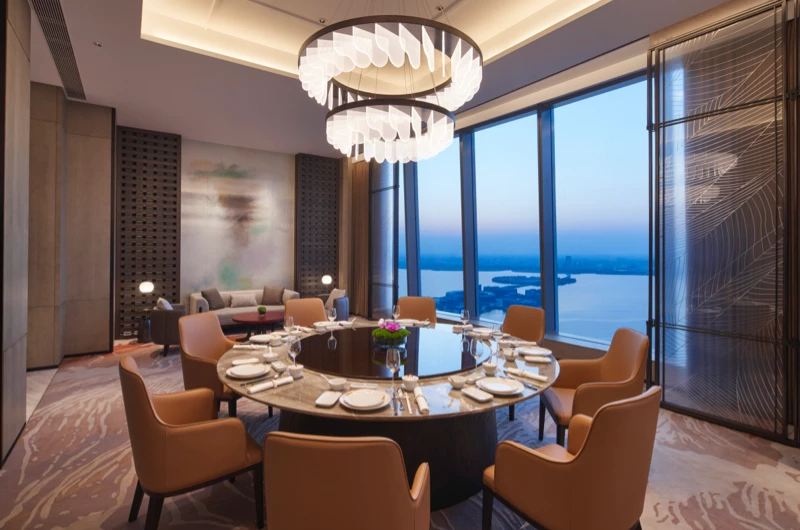
The Art of Craftsmanship: Durable and Stylish Custom Hotel Dining Tables and Chairs
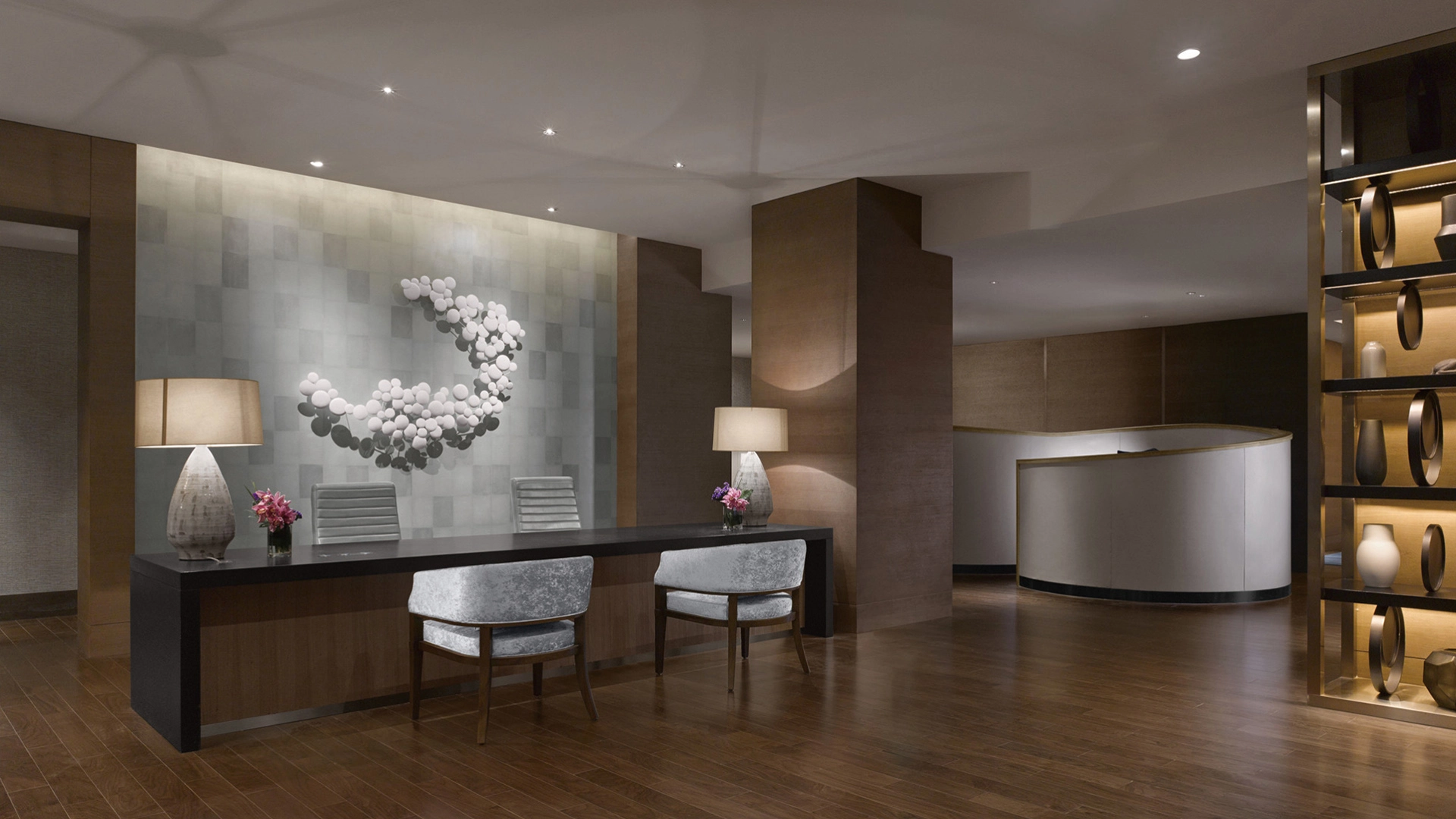
How Custom Built-in Furniture for Hotel Rooms Maximizes Boutique Space
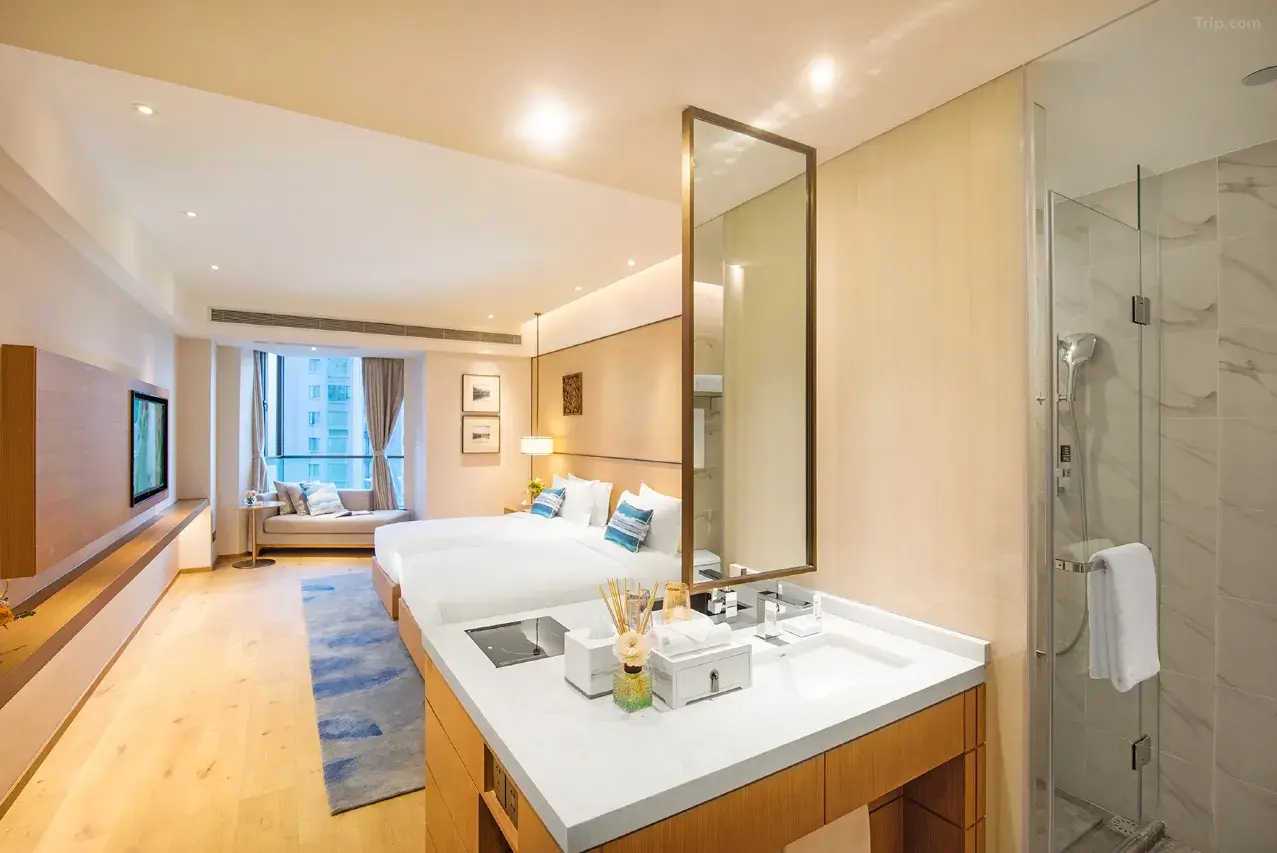
Fire Retardant Standards for Upholstered Furniture for Hotel Rooms and Bedding
What is your Minimum Order Quantity (MOQ)?
As a project-based manufacturer, we focus on full-set room solutions. While we are flexible, we typically recommend a minimum of 30–50 rooms to optimize shipping costs and production efficiency for custom FF&E.
Can Starjoy customize furniture according to hotel design drawings?
Yes. We can customize furniture based on interior drawings, floor plans, reference images, brand standards, sample room requirements, and project specifications.
How long does custom hotel guest room furniture production take?
The timeline depends on project quantity, furniture complexity, material confirmation, sample requirements, and delivery schedule.The production lead time for painted products is generally 40–45 days, while for pre-finished (paint-free) boards, it is typically 25–30 days.
How do I choose hotel guest room furniture?
Consider hotel positioning, room size, guest profile, durability, storage needs, maintenance cost, design consistency, budget, and supplier project experience.
What are the main qualifications and honors of your company?
Our company is a member of the Guangdong Building Decoration Materials Association and has many years of professional experience in developing, designing and producing hotel furniture and supporting product. We have won many honors such as the top 10 in China's hotel furniture industry.
Get in Touch
We strive to provide the most thoughtful service, excellent quality and value to every customer who customizes hotel furniture from STARJOY. If you have any questions about your order, please contact us.

No.19, Gulou Industrial Zone, Jianggao Town, Baiyun District, Guangzhou
monica@starjoyglobal.com


