

Which Hotel Room Furniture Works Best for Budget and Luxury Hotels?
A deep-dive B2B guide exploring how hotel room furniture selection differs across budget and luxury segments, covering durability standards, material specifications, custom manufacturing options, and procurement strategy for hospitality buyers and project managers.
- Quick Answer
- How STARJOY Supports Hotel Room Furniture Projects
- Discuss Your Hotel Room Furniture Project Requirements with STARJOY
- What structural durability standards should budget hotel room furniture meet to withstand high-turnover guest cycles?
- How do luxury hotel furniture specifications differ from budget in terms of material sourcing and joinery methods?
- Which specific hotel room furniture pieces deliver the highest ROI for budget property owners replacing aging inventory?
- How should hotel procurement managers evaluate custom hotel furniture manufacturers versus catalog suppliers for large-scale projects?
- What fire-retardant and formaldehyde emission compliance requirements apply to hotel room furniture in major export markets?
- How does room furniture layout planning affect the functional efficiency of both budget and luxury hotel rooms?
- FAQ
Quick Answer
The right hotel room furniture depends primarily on your property's star rating, guest profile, and total project budget. For budget hotels, the priority is structural durability and low maintenance cost, while luxury hotels demand bespoke craftsmanship, High Quality materials, and cohesive design language. Key selection factors include material grade, load-bearing specifications, surface finish durability, modularity for housekeeping efficiency, and compliance with fire-retardant standards. Final specifications must be confirmed against your actual floor plans and brand guidelines.
How STARJOY Supports Hotel Room Furniture Projects
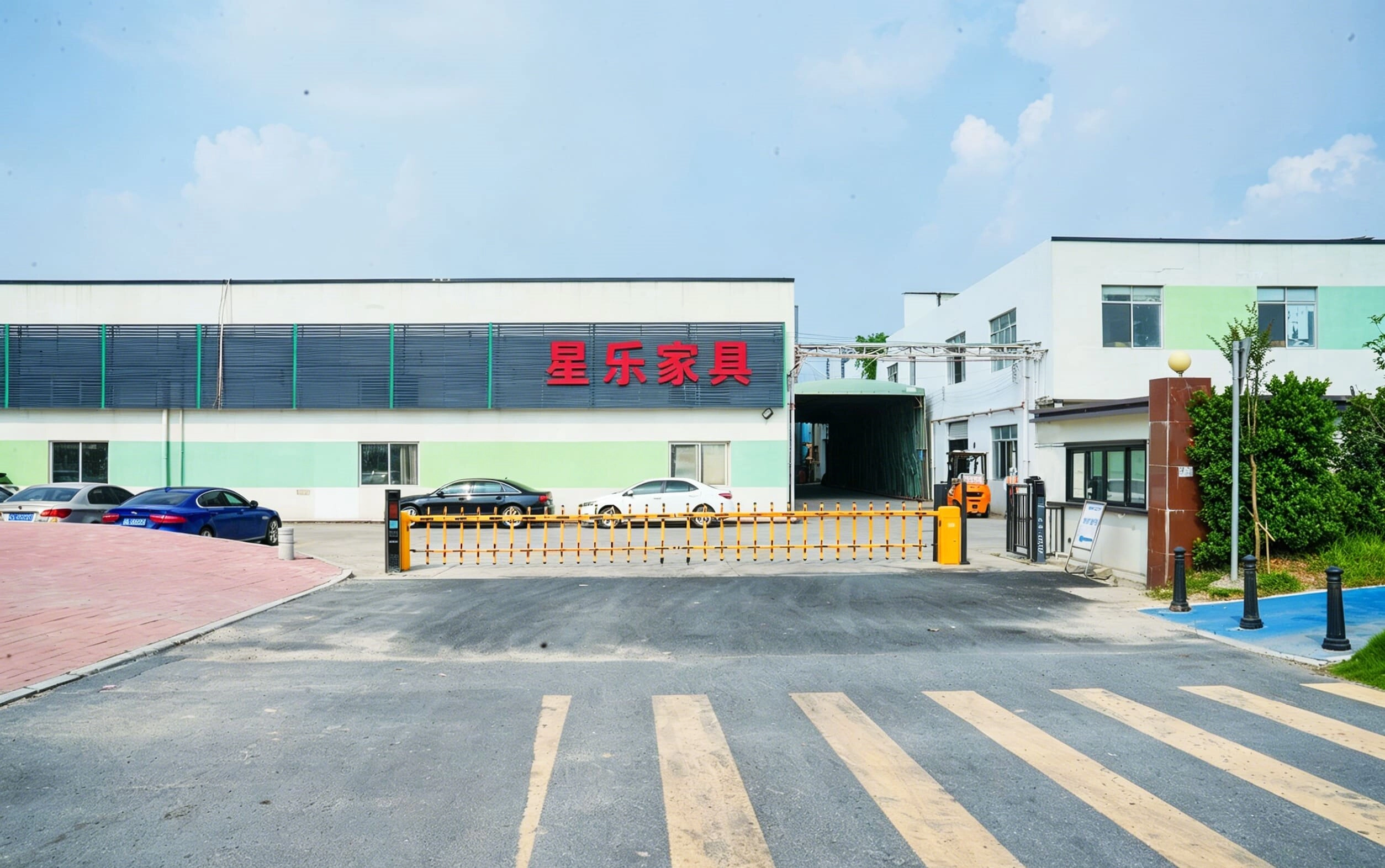
STARJOY Hotel Furniture, established in 2006 and headquartered in Guangzhou, Guangdong, operates six specialized manufacturing plants across 56,000 square meters with over 570 staff. The company provides a one-stop solution for commercial hotel furniture projects, covering hotel room furniture, lobby furniture, restaurant furniture, public area furniture, and outdoor resort furniture. With advanced machinery sourced from German and Italian manufacturers, STARJOY supports both OEM and ODM engagements, enabling buyers to specify custom dimensions, finishes, and material grades aligned with their brand standards.
STARJOY's integrated model combines in-house research, production, quality control, and after-sales service, which reduces coordination risk on large-scale hospitality projects. Core parameters buyers should confirm before engagement include room quantity, furniture typology per room category, preferred material specifications, project timeline, and destination port for logistics planning. MOQ thresholds, lead time, and formal quotation must be confirmed directly per project scope.
Discuss Your Hotel Room Furniture Project Requirements with STARJOY
To receive an accurate project assessment, please prepare the following information before reaching out: property type and star classification, total number of rooms and room categories, target furniture typology per room, preferred material and finish direction, project delivery timeline, and destination country or port. STARJOY's team can discuss custom specifications, OEM production feasibility, phased delivery scheduling, and value-engineering options for both budget and luxury segments. Submit your project brief via www.starjoyglobal.com or contact the project team directly at monica@starjoyglobal.com.
What structural durability standards should budget hotel room furniture meet to withstand high-turnover guest cycles?
Budget hotels typically operate at higher occupancy rates than luxury properties, which means guestroom furniture endures significantly more mechanical stress per year. The structural benchmark most procurement managers reference is the BIFMA X5.4 standard for seating and the BIFMA X5.5 standard for desk and table products, which simulate repeated load cycles far beyond residential use. For casegoods such as wardrobes, nightstands, and TV consoles in budget properties, the critical specification is panel board density: medium-density fiberboard (MDF) with a minimum density of 700–750 kg/m³ provides substantially better screw-holding strength than standard particleboard, which is particularly relevant for hinge and drawer-slide anchor points that fail first under repetitive use.
Edge banding is another underestimated durability variable. PVC edge banding at 2mm thickness applied with polyurethane hot-melt adhesive outperforms thinner 0.4mm ABS banding in high-humidity environments typical of coastal or tropical hotel markets. Surface finishes for budget hotel casegoods should prioritize melamine-faced panels with an abrasion resistance rating of at least AC3 or AC4, which correlates to commercial-grade wear resistance. Hardware selection—specifically drawer slides and hinges—should specify a minimum cycle rating of 80,000 to 100,000 open-close operations for properties with daily housekeeping turnover. Buyers who overlook hardware cycle ratings often face disproportionate maintenance costs within the first 18 to 24 months of operation.
How do luxury hotel furniture specifications differ from budget in terms of material sourcing and joinery methods?
The material and joinery gap between budget and luxury hotel room furniture is more technically significant than most buyers initially expect. Luxury hotel projects—particularly those operating under international brand standards from groups such as Marriott, Hilton, or IHG—typically mandate solid wood components or solid wood veneer over MDF substrates for all visible surfaces, with veneer thickness commonly specified at 0.6mm to 1.0mm for stability and refinishing potential. Species selection matters: American walnut, white oak, and teak remain dominant in five-star specifications due to their grain consistency, workability, and long-term aesthetic stability under repeated cleaning with commercial-grade chemicals.
Joinery methods represent a fundamental quality differentiator. Budget hotel furniture relies predominantly on cam-lock (confirmat) fittings and dowel joints, which are efficient for flat-pack assembly but have limited structural longevity under stress. Luxury hotel casegoods, by contrast, are typically constructed using mortise-and-tenon joints, dovetail drawer boxes, and full-extension undermount drawer slides with soft-close mechanisms rated to 50 kg load capacity. Upholstered components in luxury rooms require fabric with a Martindale abrasion rating of at least 30,000 rubs for seating and 25,000 rubs for headboards, with COM (Customer's Own Material) options available through manufacturers offering OEM services. The finish quality in luxury pieces also involves multi-stage spraying processes—typically five to seven coats of water-based or UV-cured lacquer—with intermediate sanding between coats to achieve the surface depth and tactile quality that guests associate with High Quality hospitality environments.
Which specific hotel room furniture pieces deliver the highest ROI for budget property owners replacing aging inventory?
When budget hotel operators face partial refurbishment decisions rather than full FF&E replacement, the return-on-investment calculus must weigh guest satisfaction impact against capital expenditure. Industry data from hospitality asset management consultancies consistently identifies the bed platform and headboard assembly as the single highest-impact replacement item in terms of guest review scores. Online travel agency (OTA) review analysis shows that sleep quality and bed aesthetics account for a disproportionate share of negative reviews in the budget segment, making the bed the most defensible capital allocation in a constrained refurbishment budget.
The second highest-ROI replacement category is the work desk and ergonomic chair combination. Extended-stay and business travelers in the budget segment increasingly cite workspace functionality as a booking criterion, and replacing fixed-position desks with adjustable or modular desk units can measurably improve repeat booking rates from corporate accounts. Wardrobes and storage units, while visually prominent, typically rank lower in guest satisfaction impact and can often be refinished or re-hardwared rather than fully replaced, which reduces capital outlay. Nightstands with integrated USB-A and USB-C charging ports represent a low-cost upgrade with high perceived value among guests under 40, and the incremental cost over a standard nightstand is relatively modest when ordered at bulk quantities. Buyers should request itemized unit pricing from manufacturers to model replacement scenarios against projected occupancy revenue before committing to a procurement scope.
How should hotel procurement managers evaluate custom hotel furniture manufacturers versus catalog suppliers for large-scale projects?
The decision between a custom hotel furniture manufacturer and a catalog-based contract furniture supplier is not purely a cost question—it is a risk and specification-control question. Catalog suppliers offer faster sampling lead times and predictable per-unit pricing, but their standardized dimensions and finish options frequently conflict with architectural drawings, particularly in renovation projects where existing room dimensions are irregular or brand standards require non-standard configurations. A wardrobe specified at 900mm width in a catalog may not accommodate the structural column placement in a specific room type, requiring costly on-site modifications that erode the initial cost advantage.
Custom hotel furniture manufacturers, particularly those with integrated production facilities covering panel processing, upholstery, and metal or profile fabrication under one operational umbrella, provide specification flexibility that is essential for projects with more than two or three distinct room categories. The evaluation criteria for a custom manufacturer should include: verified production capacity relative to your project timeline, in-house quality control processes with documented inspection checkpoints, sample approval protocols (first article inspection), experience with the destination market's fire-retardant and formaldehyde emission standards (such as California CARB Phase 2, EU E1, or local equivalents), and post-delivery warranty terms. Buyers should request a factory audit or third-party inspection report rather than relying solely on supplier-provided certifications. Lead time for custom hotel room furniture from order confirmation to container loading typically ranges from 45 to 90 days depending on project complexity and factory load, and this must be mapped against the hotel's opening schedule with contingency buffer built in.
What fire-retardant and formaldehyde emission compliance requirements apply to hotel room furniture in major export markets?
Compliance requirements for hotel room furniture vary significantly by destination market and represent one of the most consequential due-diligence areas for international procurement. In the United States, California's CARB (California Air Resources Board) Phase 2 regulation sets the most stringent formaldehyde emission limits for composite wood products: 0.05 ppm for hardwood plywood, 0.09 ppm for MDF, and 0.18 ppm for particleboard. Products sold or installed in California must use CARB-compliant panels, and this standard is increasingly adopted as a de facto national benchmark by major hotel brands operating across multiple states.
In the European Union, the EN 717-1 standard governs formaldehyde emission classification, with E1 being the accepted threshold for interior furniture (≤0.1 ppm in chamber testing). Some Nordic markets and High Quality hotel brands now specify E0 or even TSCA Title VI compliance as a brand standard, regardless of the physical installation country. For fire retardancy, UK projects must comply with BS 5852 (ignition source testing for upholstered furniture) and BS EN 1021 for contract seating, while EU markets reference EN 1021-1 and EN 1021-2. Middle Eastern hotel projects, particularly in the UAE and Saudi Arabia, increasingly reference NFPA 701 for soft furnishings and local civil defense authority approvals for all FF&E. Buyers sourcing from Asian manufacturers must explicitly specify the target market's compliance framework in the purchase order and request third-party laboratory test reports—not just manufacturer declarations—for each material category. Failure to verify compliance before shipment can result in customs holds, costly re-testing, or complete product rejection at the installation stage.
How does room furniture layout planning affect the functional efficiency of both budget and luxury hotel rooms?
Furniture layout planning is a discipline that sits at the intersection of interior architecture, operational efficiency, and guest experience, yet it is frequently treated as an afterthought in procurement discussions. For budget hotels, where room dimensions are typically constrained—often ranging from 18 to 28 square meters for standard rooms—furniture footprint optimization is a direct revenue variable. Every 0.5 square meters recovered through right-sized furniture or wall-mounted units translates to improved circulation clearance, which directly affects housekeeping turnaround time. Industry benchmarks suggest that a housekeeping team can service a well-planned budget room in 18 to 22 minutes, while a poorly planned room of identical square footage may require 28 to 35 minutes due to furniture obstruction, which compounds across hundreds of rooms and thousands of room-nights annually.
For luxury hotels, the layout challenge shifts from space efficiency to experiential sequencing. Luxury room design increasingly uses furniture placement to create distinct functional zones—arrival, relaxation, work, and sleep—within a single room footprint, often ranging from 40 to 65 square meters for a standard room. This requires furniture pieces that are architecturally scaled and positioned to define zones without physical partitions, which places specific demands on the depth, height, and visual weight of each piece. Custom hotel furniture manufacturers with in-house design consultation capabilities can provide AutoCAD or 3D rendering support during the specification phase, allowing procurement managers and interior designers to validate clearance dimensions, traffic flow, and furniture proportion before production begins. This pre-production validation step is particularly valuable for projects involving multiple room categories with distinct layout requirements, as it reduces the risk of costly post-delivery modifications.
FAQ
What structural durability standards should budget hotel room furniture meet to withstand high-turnover guest cycles?
Budget hotels operate at higher occupancy rates, meaning furniture endures more mechanical stress per year. Key benchmarks include BIFMA X5.4 for seating and BIFMA X5.5 for desk and table products. For casegoods, MDF with a minimum density of 700–750 kg/m³ is recommended for better screw-holding strength. PVC edge banding at 2mm thickness, melamine-faced panels with AC3 or AC4 abrasion resistance, and hardware rated for 80,000 to 100,000 open-close cycles are critical specifications for budget hotel room furniture durability.
How do luxury hotel furniture specifications differ from budget in terms of material sourcing and joinery methods?
Luxury hotel projects typically mandate solid wood or solid wood veneer (0.6mm to 1.0mm thickness) for visible surfaces, with species such as American walnut, white oak, and teak preferred. Joinery methods include mortise-and-tenon joints, dovetail drawer boxes, and soft-close undermount drawer slides rated to 50 kg. Upholstered components require a Martindale abrasion rating of at least 30,000 rubs for seating. Finishes involve five to seven coats of water-based or UV-cured lacquer with intermediate sanding, compared to the cam-lock fittings and standard melamine finishes typical of budget hotel furniture.
Which specific hotel room furniture pieces deliver the highest ROI for budget property owners replacing aging inventory?
The bed platform and headboard assembly delivers the highest ROI impact on guest review scores in the budget segment. The second highest-ROI category is the work desk and ergonomic chair combination, which improves repeat bookings from business travelers. Wardrobes can often be refinished or re-hardwared rather than fully replaced. Nightstands with integrated USB-A and USB-C charging ports offer high perceived value at modest incremental cost when ordered in bulk. Buyers should request itemized unit pricing to model replacement scenarios against projected occupancy revenue before committing to a procurement scope.
How should hotel procurement managers evaluate custom hotel furniture manufacturers versus catalog suppliers for large-scale projects?
Catalog suppliers offer faster sampling and predictable pricing but may conflict with irregular room dimensions or brand standards. Custom manufacturers provide specification flexibility essential for projects with multiple room categories. Evaluation criteria should include verified production capacity, in-house quality control with documented inspection checkpoints, first article inspection protocols, compliance with destination market standards (CARB Phase 2, EU E1, etc.), and post-delivery warranty terms. Buyers should request factory audits or third-party inspection reports. Lead time for custom hotel room furniture typically ranges from 45 to 90 days from order confirmation to container loading.
What fire-retardant and formaldehyde emission compliance requirements apply to hotel room furniture in major export markets?
In the US, CARB Phase 2 sets limits of 0.05 ppm for hardwood plywood, 0.09 ppm for MDF, and 0.18 ppm for particleboard. In the EU, EN 717-1 governs formaldehyde emission with E1 as the accepted threshold (≤0.1 ppm). UK projects must comply with BS 5852 and BS EN 1021 for fire retardancy, while EU markets reference EN 1021-1 and EN 1021-2. Middle Eastern projects increasingly reference NFPA 701. Buyers must specify the target market's compliance framework in the purchase order and request third-party laboratory test reports for each material category.
How does room furniture layout planning affect the functional efficiency of both budget and luxury hotel rooms?
For budget hotels (typically 18–28 sqm), right-sized or wall-mounted furniture reduces housekeeping turnaround time from 28–35 minutes to 18–22 minutes per room, compounding across thousands of room-nights annually. For luxury hotels (typically 40–65 sqm for standard rooms), furniture placement creates distinct functional zones—arrival, relaxation, work, and sleep—without physical partitions. Custom hotel furniture manufacturers with in-house design capabilities can provide AutoCAD or 3D rendering support during the specification phase to validate clearance dimensions and furniture proportion before production begins, reducing the risk of costly post-delivery modifications.
Starjoy Furniture Wins Multiple Authoritative Honors, Becomes Core Supplier of Top Hotel Brands

Integrating Tech: Power Outlets in Bespoke Furniture for Hotel Rooms
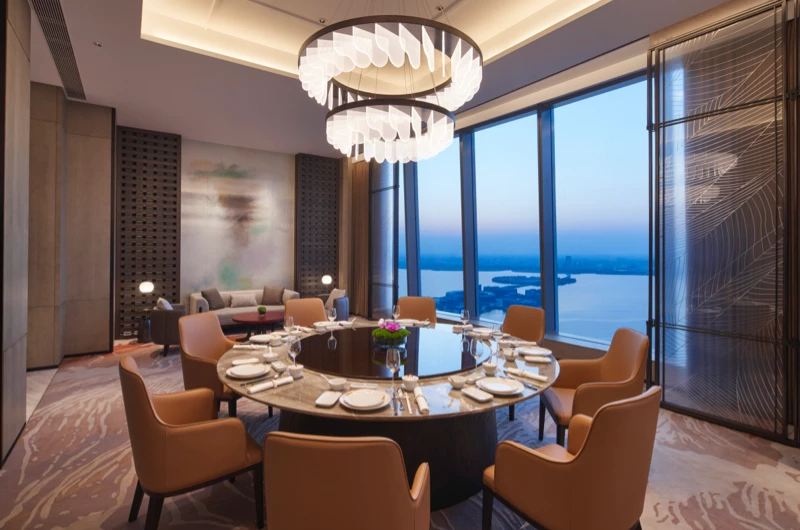
The Art of Craftsmanship: Durable and Stylish Custom Hotel Dining Tables and Chairs
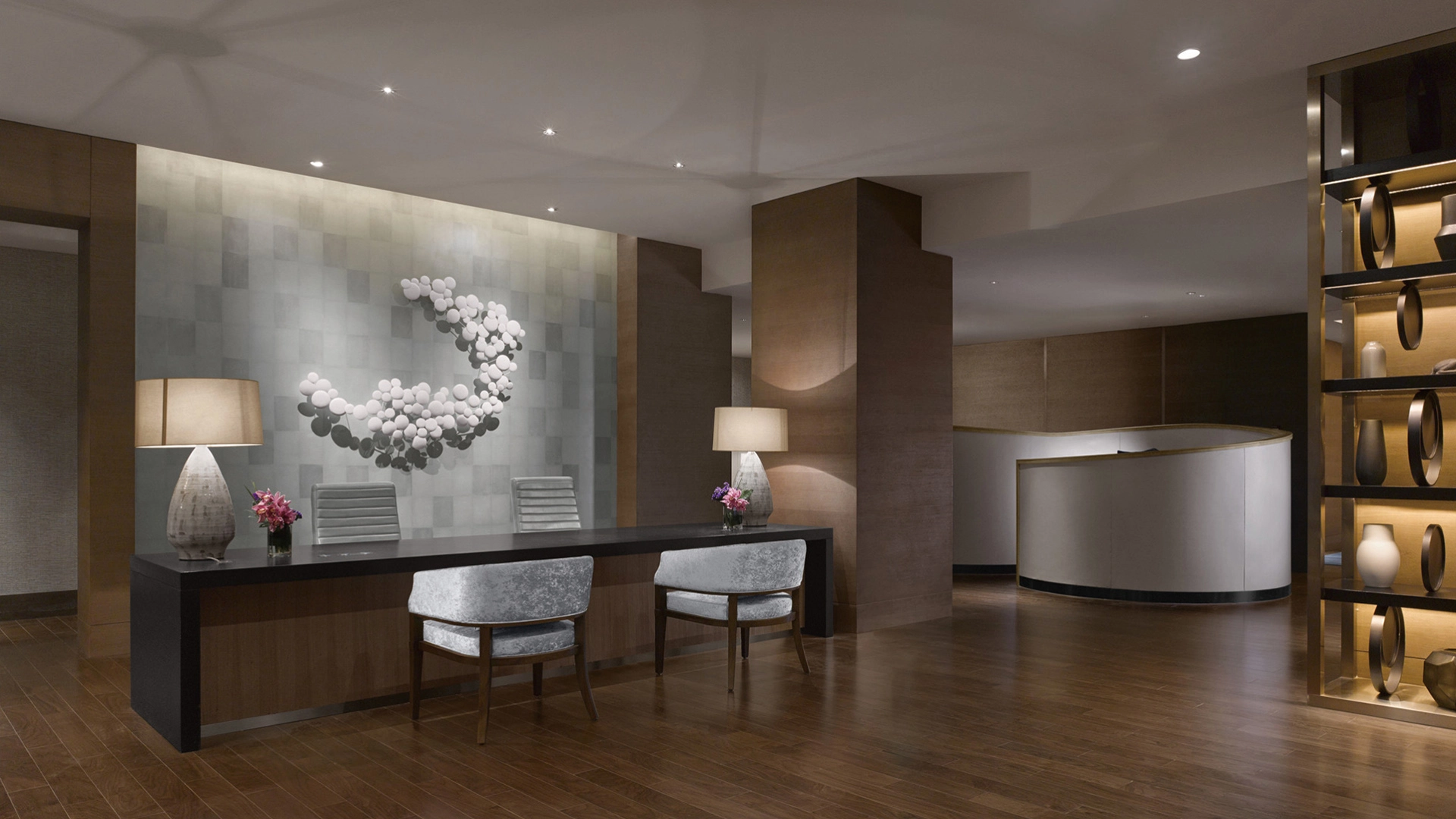
How Custom Built-in Furniture for Hotel Rooms Maximizes Boutique Space
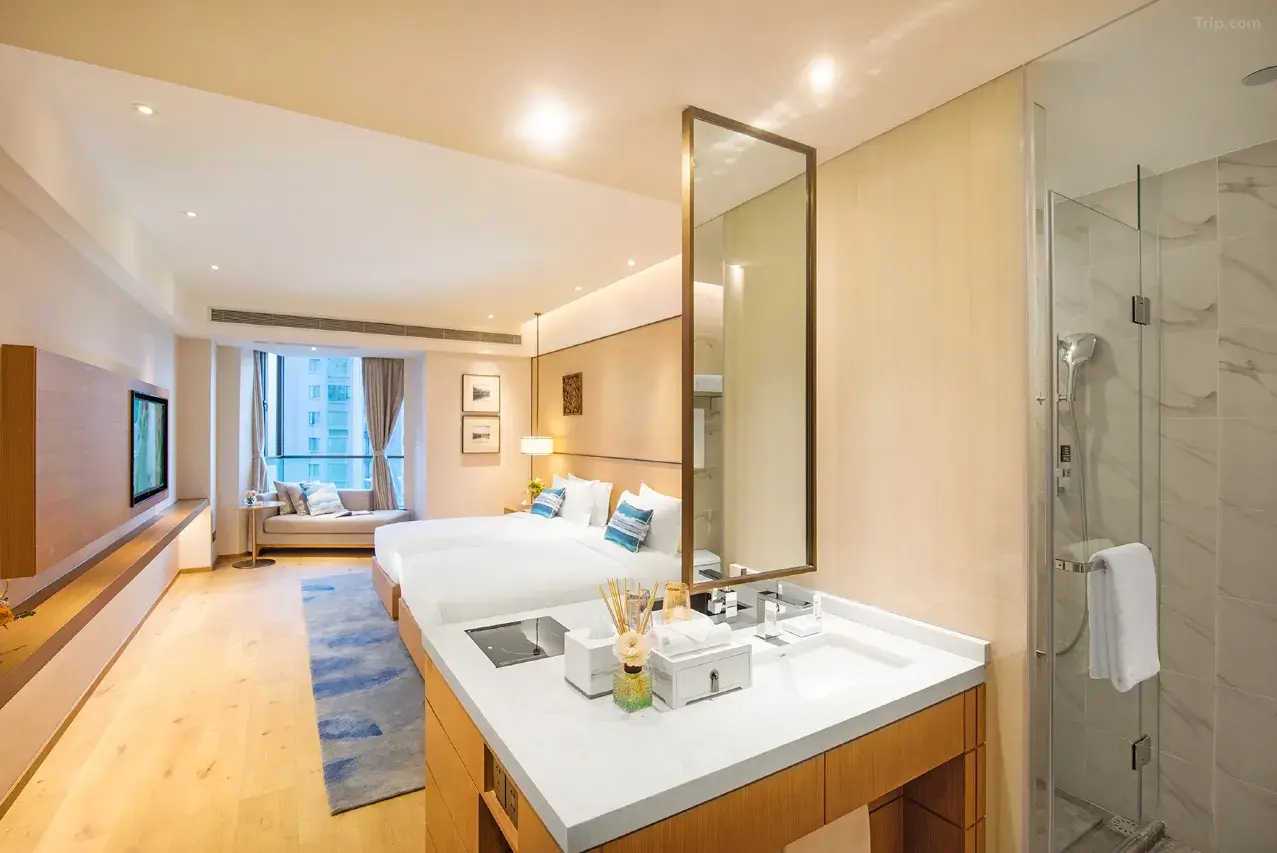
Fire Retardant Standards for Upholstered Furniture for Hotel Rooms and Bedding
About Cooperation Process
What is the end-to-end execution process for a full hotel FF&E project?
We manage a 7-stage professional lifecycle: 1. Requirement Analysis, 2. Value-Engineering Quotation, 3. Shop Drawing & Prototyping, 4. Batch Production, 5. Multi-stage QC, 6. Global Logistics, and 7. Installation Guidance.
What support can I get during the cooperation?
During the cooperation period, we will provide you with professional technical support, marketing suggestions and timely after-sales service.
Hotel Guest Room Furniture
Can you provide complete FF&E furniture packages?
Yes. Starjoy can support complete FF&E furniture packages for guest rooms and related hotel spaces.
About Products and Services
Who will bear the freight and tariffs?
Freight is usually borne by the buyer, and the specific cost will be calculated based on factor such as the volume of the goods, transportation method and distance. Taxes such as tariffs and value-added tax are determined according to the import policy of the destination country, and the buyer needs to understand and pay them by himself.
Products
What are the payment terms and shipping terms?
We mainly do TT and FOB, other terms can also be discussed in detail.
Get in Touch
We strive to provide the most thoughtful service, excellent quality and value to every customer who customizes hotel furniture from STARJOY. If you have any questions about your order, please contact us.

No.19, Gulou Industrial Zone, Jianggao Town, Baiyun District, Guangzhou
monica@starjoyglobal.com


