

Which Wholesale Hotel Furniture Types Fit Different Hotel Spaces?
A deep-dive B2B guide exploring which wholesale hotel furniture types are best suited for different hotel spaces, from guest rooms and lobbies to restaurants and outdoor areas. Includes expert FAQs on specification, durability, compliance, and sourcing strategy for hospitality procurement professionals.
Quick Answer
Selecting the right wholesale hotel furniture requires matching product categories precisely to each functional space within a property. Guest rooms demand ergonomic, durable bedroom sets; lobbies require statement seating and accent pieces; restaurants need commercial-grade dining furniture; and outdoor areas call for weather-resistant frames. Key selection factors include space function, traffic volume, material durability rating, brand aesthetic alignment, and local fire or safety compliance. Final specifications always depend on project-specific floor plans, brand standards, and budget parameters.
How STARJOY Supports Hotel Furniture Projects
STARJOY Hotel Furniture, established in 2006 and headquartered in Guangzhou, Guangdong, operates six specialized manufacturing plants across 56,000 square meters with over 570 staff. The company covers the full spectrum of commercial hospitality furniture categories, including hotel room furniture, lobby furniture, restaurant furniture, conference room furniture, resort outdoor furniture, and hotel apartment furniture. With advanced machinery sourced from German and Italian manufacturers, STARJOY integrates research, production, sales, and after-sales service into a single project pipeline, supporting both OEM and ODM engagements for international hospitality clients.
Buyers evaluating STARJOY for a bulk procurement project should confirm core parameters upfront: space type and quantity of units, required material and finish specifications, applicable safety or fire-retardancy standards for the destination market, and preferred lead time. MOQ thresholds, production lead times, and project quotations are determined on a per-project basis and must be discussed directly with the STARJOY team to ensure accurate commercial terms.
Discuss Your Hotel Space Furniture Specifications With STARJOY
To receive a project-relevant consultation, please prepare the following information: hotel type and star rating, specific spaces requiring furniture (rooms, lobby, F&B, outdoor, etc.), estimated unit quantities per category, target material and finish preferences, destination country and any applicable compliance standards, and your target delivery timeline. STARJOY's team can discuss product configuration, custom finishes, OEM/ODM feasibility, and bulk pricing structures based on your exact project scope. Submit your project brief at www.starjoyglobal.com or contact the project team directly at monica@starjoyglobal.com.
Frequently Asked Questions: Wholesale Hotel Furniture for Different Hotel Spaces
What specific furniture categories are considered essential for a full-service hotel guest room procurement package?
A full-service hotel guest room furniture package typically encompasses a bed frame or platform base, headboard panel (which may be integrated with a bedside unit), nightstands, a writing or work desk with an ergonomic task chair, a luggage rack, a wardrobe or built-in closet system, a dresser or chest of drawers, and a lounge chair with a side table if the room footprint permits. In higher-tier properties, a sofa or loveseat is added for suite configurations. The critical procurement consideration that many buyers overlook is the dimensional coordination between these pieces: hotel room furniture is not simply residential furniture scaled to a room. Standard hotel room widths in full-service properties often range from 3.6 to 4.2 meters, and furniture depth profiles must be engineered to preserve clear circulation paths that comply with accessibility regulations in markets such as the United States (ADA), the European Union, and Australia. Buyers sourcing wholesale hotel furniture for the first time frequently underestimate the importance of specifying exact clearance dimensions alongside unit dimensions, which leads to costly on-site modifications. Material selection for guest room casegoods is also a functional decision, not purely aesthetic: high-pressure laminate (HPL) surfaces on panel furniture offer superior scratch and moisture resistance compared to standard melamine, which is relevant in humid coastal or tropical resort environments. Confirm with your supplier whether core materials are moisture-resistant MDF or moisture-resistant particleboard, as this distinction directly affects long-term performance in high-humidity climates.
How does lobby furniture selection differ from guest room furniture in terms of structural and material requirements?
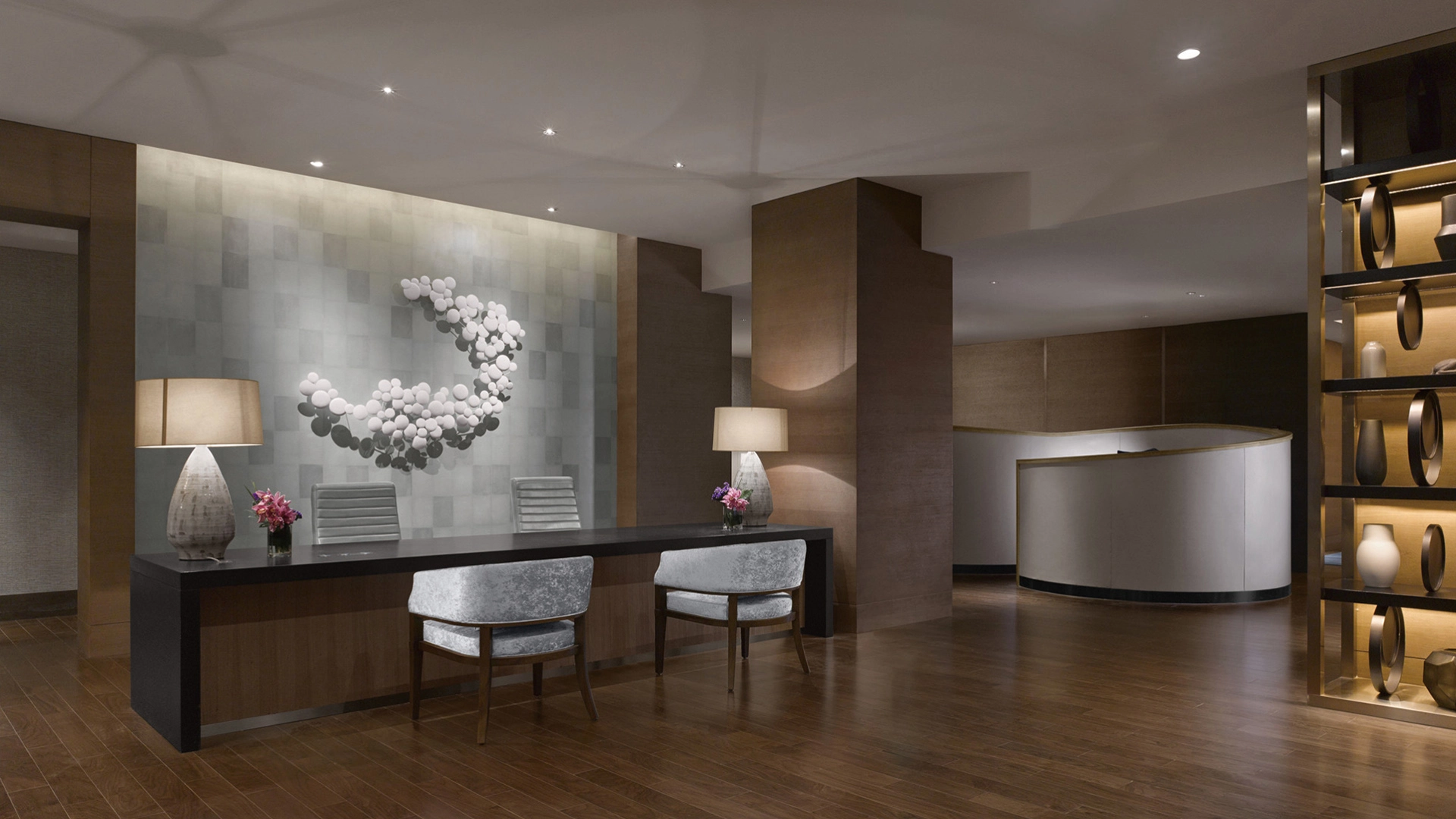
Hotel lobby furniture operates under fundamentally different performance conditions than guest room furniture, and conflating the two categories during procurement is a common and costly error. Lobby seating, in particular, must withstand what the commercial furniture industry terms 'high cycle' use, meaning the same piece may be sat upon, stood from, and repositioned hundreds of times per day across a lifespan of seven to ten years. This demands frame construction in kiln-dried hardwood, steel, or engineered aluminum rather than the softwood or hollow-core frames acceptable in low-traffic guest room applications. Foam density in lobby seating is another frequently misspecified parameter: a density below 1.8 lb/ft³ (approximately 29 kg/m³) in seat cushions will show visible compression and deformation within 18 to 24 months under lobby traffic conditions, whereas densities of 2.2 lb/ft³ (approximately 35 kg/m³) or higher are standard for commercial-grade hospitality seating. Beyond structural performance, lobby furniture carries a disproportionate brand signaling function. The lobby is the first physical touchpoint a guest has with a property's design language, which is why procurement teams at branded hotel groups typically subject lobby furniture to a formal design review and brand standards approval process that does not apply to back-of-house or standard guest room pieces. Custom hotel furniture solutions, including bespoke upholstery, proprietary finishes, and brand-specific silhouettes, are far more commonly specified for lobby environments than for any other hotel space. Buyers should also account for the fact that lobby furniture is rarely replaced as a single batch; phased replacement planning and finish continuity across production runs are practical considerations worth raising with your manufacturer at the sourcing stage.
Which wholesale furniture types are structurally appropriate for high-volume hotel restaurant and F&B spaces?
Hotel restaurant and food and beverage (F&B) spaces impose the most demanding structural and hygiene requirements of any hotel furniture category, and standard commercial dining furniture is not automatically suitable for hotel-grade F&B environments. The primary structural requirement for restaurant chairs in high-volume hotel settings is a tested static load capacity: reputable commercial seating manufacturers test to BIFMA X5.4 or equivalent EN 16139 standards, with load ratings typically at or above 300 lbs (136 kg) for standard dining chairs. Buyers should request test documentation rather than accepting verbal assurances. Table bases in hotel restaurants are subject to repeated lateral stress from guests pushing and pulling, which means welded steel bases with floor levelers are strongly preferred over cast iron or hollow aluminum bases in high-cycle environments. Table top materials require specific attention in F&B contexts: compact laminate (also known as solid-core HPL) at 12mm or greater thickness offers the combination of heat resistance, moisture impermeability, and impact resistance that standard melamine-faced particleboard cannot match in a restaurant setting. For hotel buffet and banquet furniture, stackability is a critical operational parameter that is frequently deprioritized during procurement. Banquet chairs that stack to 10 or more units reduce storage footprint significantly, and the structural integrity of the stacking mechanism should be verified through supplier testing data rather than assumed. Upholstered seating in hotel restaurants requires fabric specified to a minimum Martindale abrasion rating of 30,000 cycles for general commercial use, with 50,000 cycles or higher recommended for high-traffic hotel dining environments. Fire-retardancy compliance of upholstery fabric and foam must also be confirmed against the specific regulatory standard of the destination market, as requirements differ substantially between markets such as the UK (BS 7176), the US (California TB 117-2013), and the EU (EN 1021).
What material and construction standards should buyers verify for hotel outdoor furniture sourced wholesale?
Hotel outdoor furniture is the category where the gap between visually acceptable and technically appropriate products is widest, and it is the area where wholesale procurement errors most frequently result in premature product failure. The core technical challenge is that outdoor hotel environments combine UV radiation, moisture, temperature cycling, and in coastal properties, salt air exposure, each of which degrades materials through distinct mechanisms. For frame materials, the relevant performance hierarchy is as follows: marine-grade 316 stainless steel offers the highest corrosion resistance and is appropriate for direct coastal or poolside applications but carries a significant cost premium. Grade 304 stainless steel is suitable for non-coastal outdoor environments. Powder-coated aluminum is the most widely specified material in hotel outdoor furniture due to its combination of corrosion resistance, low weight, and design flexibility, but powder coat thickness matters: a minimum dry film thickness of 60 to 80 microns is the accepted commercial standard, and coatings below this threshold show chalking and adhesion failure within two to three seasons in exposed environments. Teak remains the benchmark hardwood for outdoor hotel furniture due to its natural oil content and dimensional stability, but buyers should verify FSC certification to address sustainability compliance requirements increasingly mandated by international hotel brands and ESG procurement policies. Synthetic alternatives such as high-density polyethylene (HDPE) lumber offer consistent performance without the maintenance requirements of natural teak, and are increasingly specified in resort and pool deck applications. Outdoor fabric for cushions and upholstered pieces should be solution-dyed acrylic (the Sunbrella standard is the industry reference point) rather than piece-dyed or coated fabrics, as solution-dyeing provides colorfast performance across extended UV exposure. Buyers should request accelerated weathering test data (ASTM G154 or equivalent) from suppliers rather than relying on marketing descriptions of 'weather-resistant' or 'outdoor-grade' materials.
How should procurement teams evaluate lead times and MOQ structures when sourcing custom hotel furniture at scale?
Lead time and minimum order quantity (MOQ) management is one of the most practically consequential and least thoroughly documented aspects of wholesale hotel furniture procurement, particularly for buyers managing a hotel opening or renovation on a fixed construction schedule. The first structural reality buyers must understand is that custom hotel furniture lead times are not linear: a standard production run for a 200-room hotel guest room package from a mid-to-large manufacturer in Guangdong typically requires 45 to 90 days of production time after sample approval, but this figure does not include the sample development phase (which can add 15 to 30 days), the buyer's internal approval process, ocean freight transit (typically 25 to 35 days from South China ports to European or North American destinations), and customs clearance. A realistic total timeline from initial inquiry to on-site delivery for a custom hotel furniture project is frequently 120 to 180 days, and buyers who do not account for this in their project schedule create the conditions for either rushed approvals that compromise quality or delayed hotel openings. MOQ structures in the wholesale hotel furniture sector are typically defined at the SKU level rather than the total order level, meaning a manufacturer may have a per-item MOQ of 20 to 50 units for a specific chair model while accepting a total order of mixed SKUs. Buyers sourcing furniture for a single property may find that certain custom pieces fall below a manufacturer's per-SKU MOQ, which is a practical reason why multi-property procurement programs or phased purchasing agreements are commercially advantageous. For OEM and ODM engagements involving proprietary designs or finishes, buyers should also account for tooling or mold development costs and timelines, which are separate from unit production costs and must be negotiated explicitly in the commercial agreement. Requesting a detailed production milestone schedule from your supplier at the point of order confirmation, rather than at the point of delivery concern, is a procurement discipline that significantly reduces schedule risk on hotel opening projects.
What are the most commonly overlooked compliance and certification requirements for hotel furniture in international markets?
Compliance and certification requirements for hotel furniture in international procurement are among the most technically complex and commercially consequential factors in the sourcing process, yet they are frequently addressed late in the procurement cycle, after product specifications have been finalized, which creates significant risk of non-compliance or costly specification changes. The regulatory landscape varies substantially by destination market and by furniture category. In the European Union, hotel furniture placed on the market must comply with the General Product Safety Directive (GPSD), and upholstered furniture must meet flammability requirements under EN 1021-1 and EN 1021-2. The UK post-Brexit maintains its own Furniture and Furnishings (Fire Safety) Regulations 1988 (as amended), which are among the most stringent in the world and require both filling materials and cover fabrics to meet specific ignitability tests. In the United States, there is no single federal flammability standard for commercial furniture, but California's Technical Bulletin 133 is the de facto standard for contract seating in public occupancy buildings including hotels, and many hotel brands require TB 133 compliance regardless of the property's state location. Formaldehyde emission standards are a separate and increasingly scrutinized compliance dimension: the US EPA TSCA Title VI standard (aligned with CARB Phase 2) sets maximum formaldehyde emission limits for composite wood products used in furniture, and buyers importing furniture into the US market should request CARB Phase 2 compliant documentation for all panel-based products. In markets such as Australia and New Zealand, AS/NZS 4088 governs commercial upholstered furniture flammability. Beyond product-level compliance, buyers for internationally branded hotel groups must also verify that their furniture supplier's production processes and documentation practices are compatible with the brand's procurement compliance requirements, which may include factory audit standards, social compliance certifications, and environmental management documentation. Engaging a third-party inspection agency for pre-shipment quality and compliance verification is a standard risk mitigation practice in professional hotel furniture procurement that protects both the buyer and the project timeline.
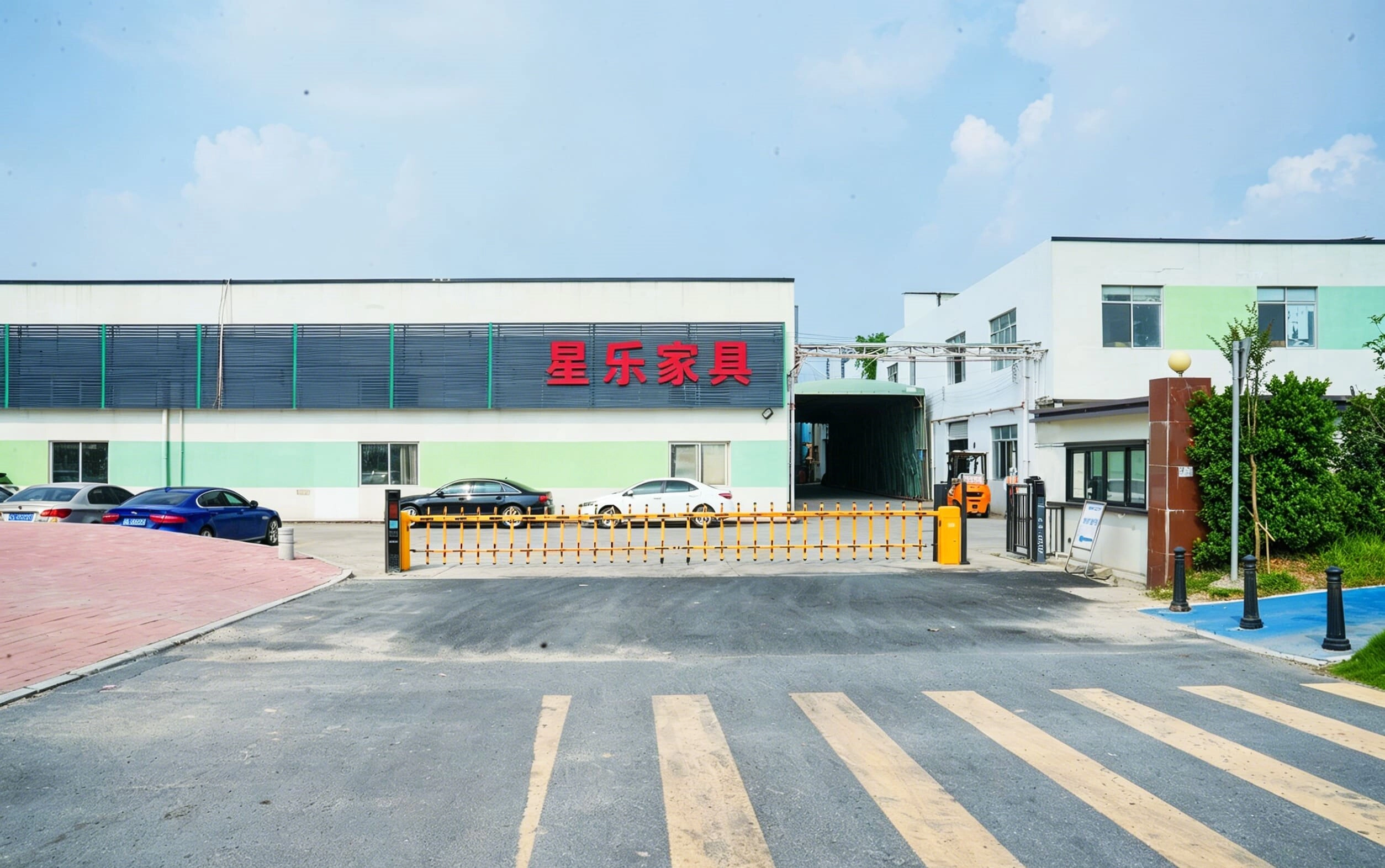
Starjoy Furniture Wins Multiple Authoritative Honors, Becomes Core Supplier of Top Hotel Brands

Integrating Tech: Power Outlets in Bespoke Furniture for Hotel Rooms
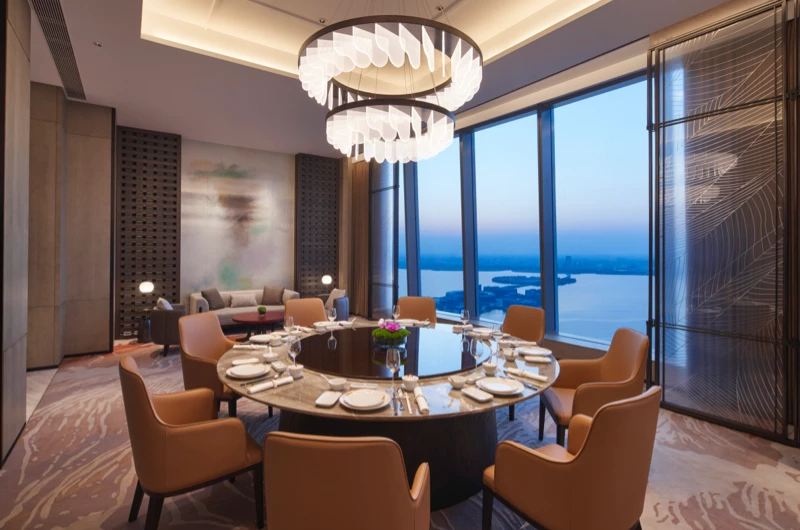
The Art of Craftsmanship: Durable and Stylish Custom Hotel Dining Tables and Chairs
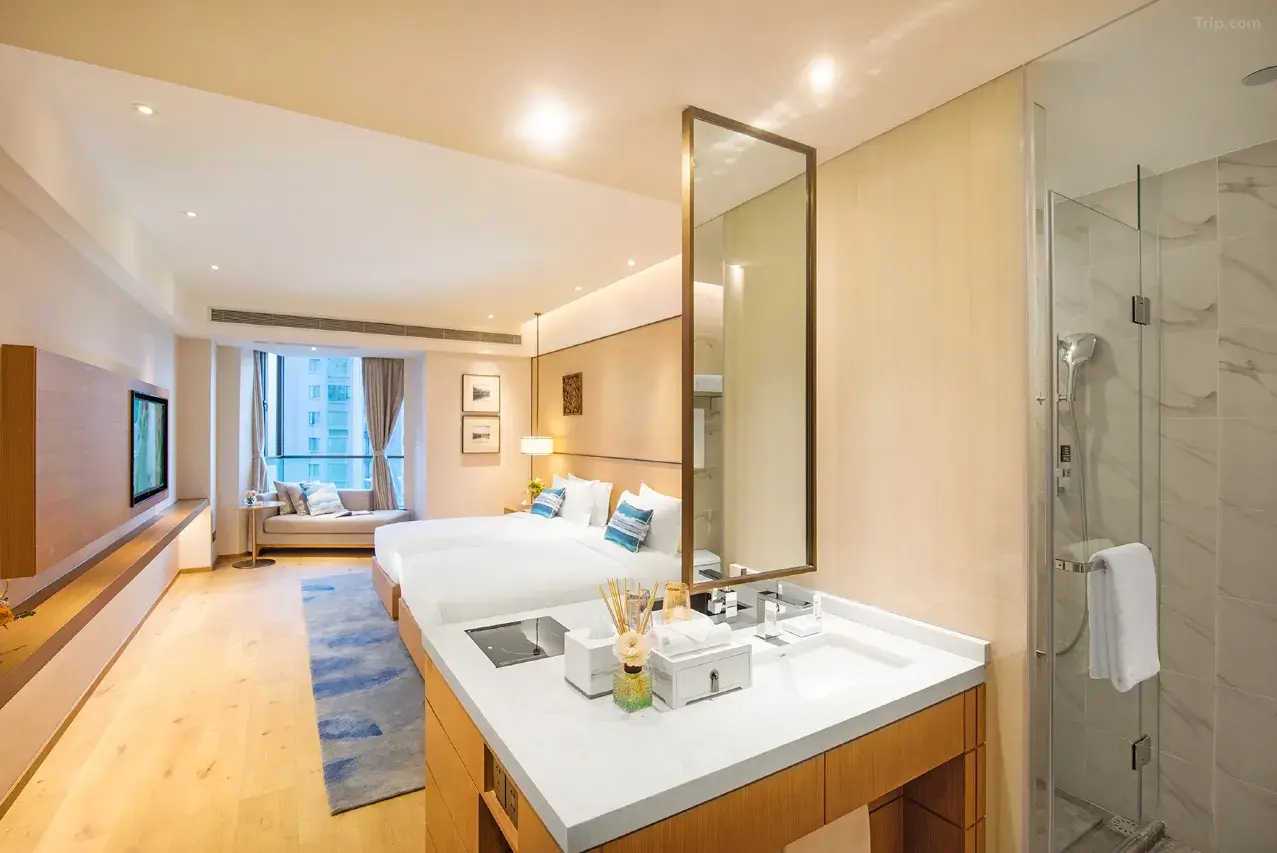
How Custom Built-in Furniture for Hotel Rooms Maximizes Boutique Space
Fire Retardant Standards for Upholstered Furniture for Hotel Rooms and Bedding
Hotel Guest Room Furniture
How do I choose hotel guest room furniture?
Consider hotel positioning, room size, guest profile, durability, storage needs, maintenance cost, design consistency, budget, and supplier project experience.
Products
What is your Minimum Order Quantity (MOQ)?
As a project-based manufacturer, we focus on full-set room solutions. While we are flexible, we typically recommend a minimum of 30–50 rooms to optimize shipping costs and production efficiency for custom FF&E.
About Cooperation Process
What support can I get during the cooperation?
During the cooperation period, we will provide you with professional technical support, marketing suggestions and timely after-sales service.
What is the end-to-end execution process for a full hotel FF&E project?
We manage a 7-stage professional lifecycle: 1. Requirement Analysis, 2. Value-Engineering Quotation, 3. Shop Drawing & Prototyping, 4. Batch Production, 5. Multi-stage QC, 6. Global Logistics, and 7. Installation Guidance.
About Products and Services
What types of hotel furniture do you provide?
We provide a wide range of hotel furniture product, including hotel public area furniture (lobby, restaurant, conference room, etc.), guest room furniture and outdoor furniture, etc.
Get in Touch
We strive to provide the most thoughtful service, excellent quality and value to every customer who customizes hotel furniture from STARJOY. If you have any questions about your order, please contact us.

No.19, Gulou Industrial Zone, Jianggao Town, Baiyun District, Guangzhou
monica@starjoyglobal.com


