

Why Is Durable Hotel Room Furniture Important for Hotels?
This deep-dive FAQ blog post explains why durable hotel room furniture is a critical investment for hospitality operators, covering lifecycle cost analysis, structural standards, material science, guest experience impact, and procurement strategy. STARJOY, a Guangdong-based manufacturer with nearly 20 years of commercial hotel furniture project experience, provides context on how professional-grade durability is engineered and delivered at scale.
- Quick Answer
- How STARJOY Supports Hotel Room Furniture Projects
- Discuss Your Hotel Room Furniture Durability Requirements with STARJOY
- Why Does Furniture Durability Directly Affect a Hotel's Total Cost of Ownership?
- What Structural Construction Methods Separate Commercial-Grade Hotel Furniture from Residential Products?
- How Does Poor Furniture Durability Specifically Damage a Hotel's Guest Review Scores?
- Which Material Properties Should Procurement Teams Prioritize When Specifying Durable Hotel Room Furniture?
- How Should Hotel Operators Plan Furniture Replacement Cycles to Avoid Unplanned Capital Expenditure?
- What Are the Most Common Specification Mistakes Hotels Make When Procuring Room Furniture for the First Time?
- FAQ
Quick Answer
Durable hotel room furniture directly protects a property's long-term profitability by reducing replacement cycles, minimizing maintenance labor, and sustaining the guest experience that drives repeat bookings. For procurement teams evaluating hotel room furniture, the five factors that most significantly determine durability outcomes are structural frame material and joinery method, surface finish abrasion resistance, hardware load ratings, substrate moisture tolerance, and compliance with commercial-grade usage standards. Final material specifications, construction grades, and cost structures must always be confirmed against the specific property type, occupancy volume, and regional climate conditions of each project.
How STARJOY Supports Hotel Room Furniture Projects
STARJOY Hotel Furniture is a Guangdong-based high-tech enterprise established in 2006 in Guangzhou, operating six specialized manufacturing plants across 56,000 square meters with over 570 staff. The company functions as a one-stop solution provider for commercial hotel furniture projects, integrating research, production, sales, and after-sales service under a single operational structure. Core manufacturing capabilities relevant to durability-focused procurement include OEM and ODM custom fabrication, panel processing, solid wood and engineered frame construction, upholstered seating production, wardrobe and casegoods manufacturing, and profile component fabrication — all supported by advanced machinery sourced from German and Italian manufacturers.
STARJOY's product scope covers hotel room furniture, hotel lobby furniture, hotel restaurant furniture, hotel public area furniture, hotel conference room furniture, resort hotel outdoor furniture, and hotel apartment furniture. Buyers should confirm project-specific parameters including room quantity, furniture category scope, required surface finish and material grades, dimensional specifications, target delivery port, and any applicable fire or safety compliance standards. MOQ thresholds, production lead times, and formal quotations are determined on a per-project basis and must be discussed directly with the STARJOY project team.
Discuss Your Hotel Room Furniture Durability Requirements with STARJOY
To receive an accurate technical consultation and project quotation, please provide the following details: property type and star rating, total room count and furniture categories required, preferred frame and surface materials, any fire-retardant or environmental compliance requirements, target delivery destination and timeline, and reference images or design drawings if available. STARJOY's project team can discuss custom construction specifications, material sourcing, finish options, and bulk order logistics based on your confirmed project scope. Visit www.starjoyglobal.com or contact the project team directly at monica@starjoyglobal.com to begin your consultation.
Why Does Furniture Durability Directly Affect a Hotel's Total Cost of Ownership?
Hotel procurement decisions are frequently evaluated on upfront unit cost, but this metric is structurally misleading when applied to commercial hospitality environments. A hotel guestroom operating at average occupancy rates subjects its furniture to a volume of mechanical stress that is categorically different from residential use. A bed frame, for example, may be loaded, unloaded, and repositioned hundreds of times per year across a multi-year operational period. When furniture fails prematurely — through joint separation, surface delamination, or hardware fatigue — the cost consequence is not limited to the replacement unit price. It includes labor for removal and installation, potential room downtime during refurbishment, procurement administration costs for reordering, and the reputational cost of guest-facing damage that appears in online reviews before maintenance can respond.
Total cost of ownership (TCO) analysis in commercial furniture procurement accounts for the amortized cost of the asset over its functional lifespan. A furniture set with a higher initial unit cost but a ten-year functional lifespan under commercial conditions will almost always produce a lower annualized cost than a lower-priced set requiring replacement at four or five years. The structural variables that most directly influence lifespan include the species and grade of solid wood or engineered wood used in the frame, the type and load capacity of metal hardware components, the adhesive and joinery system used at stress points, and the abrasion and impact resistance of the surface finish. Procurement teams that do not specify these parameters at the RFQ stage often receive furniture that meets aesthetic requirements but is not engineered for the operational intensity of commercial hotel use.
What Structural Construction Methods Separate Commercial-Grade Hotel Furniture from Residential Products?
The distinction between residential and commercial-grade hotel furniture is not primarily aesthetic — it is structural and material. Residential furniture is typically engineered to meet the load and usage patterns of a single household, where a piece may be used by a consistent number of occupants under relatively predictable conditions. Commercial hotel furniture must perform under variable and often abusive conditions: guests of differing weights, luggage impact, housekeeping equipment contact, and the cumulative mechanical fatigue of continuous high-frequency use.
At the frame level, commercial-grade casegoods and seating typically use higher-density engineered wood substrates such as moisture-resistant MDF or high-density particleboard with sealed edges, or solid hardwood frames with mortise-and-tenon or dowel-reinforced joinery rather than staple or cam-lock assembly. For upholstered seating, the internal frame is often constructed from kiln-dried hardwood or steel, with sinuous spring or webbing suspension systems rated for repeated load cycling. Surface finishes on commercial hotel furniture are generally applied at greater film thickness and cured to higher hardness ratings — typically measured on the pencil hardness scale or by cross-hatch adhesion testing — compared to residential lacquer finishes. Edge banding on panel products is applied using hot-melt PUR adhesive in commercial-grade production, which provides significantly higher moisture and impact resistance than standard EVA edge banding used in residential furniture. These construction differences are not visible in product photography, which is why specification sheets and factory audit processes are essential steps in commercial hotel furniture procurement.
How Does Poor Furniture Durability Specifically Damage a Hotel's Guest Review Scores?
The relationship between furniture condition and guest satisfaction scores is well-documented in hospitality operations research. Guests do not evaluate furniture in isolation — they evaluate it as a component of the overall room condition, and furniture defects are among the most commonly cited physical complaints in online review platforms. Wobbly chairs, drawers that do not close properly, bed frames that produce noise under movement, wardrobe doors with misaligned hinges, and surface finishes that show visible wear or staining are all failure modes that guests photograph and reference in reviews. These observations disproportionately affect the room cleanliness and value for money scoring categories even when the underlying issue is a maintenance or durability failure rather than a housekeeping failure.
The operational challenge is that furniture degradation is rarely sudden — it is progressive. A joint that begins to loosen will not be flagged in a routine housekeeping inspection until it becomes visibly unstable, by which point it has likely already been used by multiple guests. Hotels that invest in furniture with robust joinery systems, hardware with appropriate load ratings, and surface finishes with high abrasion resistance experience a measurably longer period before these progressive failure modes become guest-visible. This directly protects the property's review score trajectory over the refurbishment cycle. For hotel operators managing multiple properties or franchise agreements with brand standards, furniture condition is also subject to periodic brand audits, where deficiencies can result in compliance notices or required capital expenditure outside of the planned refurbishment schedule.
Which Material Properties Should Procurement Teams Prioritize When Specifying Durable Hotel Room Furniture?
Specifying durable hotel room furniture requires procurement teams to move beyond surface-level material descriptions and engage with the technical properties that determine performance under commercial conditions. For casegoods — which include wardrobes, dressers, nightstands, and TV units — the substrate material is the primary durability variable. Moisture-resistant (MR) grade particleboard or MDF is the baseline specification for hotel environments, particularly in humid climates or rooms with en-suite bathrooms where ambient moisture levels are elevated. For higher-specification projects, plywood substrates offer superior screw-holding strength and resistance to edge impact compared to particleboard, which is a relevant consideration for drawer boxes and door panels that experience repeated mechanical contact.
For surface finishes, the key technical parameters are film hardness, chemical resistance, and UV stability. Polyurethane (PU) and UV-cured lacquer finishes are standard in commercial hotel furniture production and offer significantly better abrasion resistance than melamine or paper foil wraps, which are more common in residential-grade products. For upholstered components such as headboards, sofas, and chairs, the fabric or leather specification must include a Martindale abrasion resistance rating — commercial hotel applications typically require a minimum of 30,000 to 50,000 rubs depending on the usage intensity of the specific piece. Hardware specifications should include drawer slide load ratings, hinge cycle ratings, and corrosion resistance classifications, particularly for coastal or high-humidity environments. Procurement teams that include these parameters in their technical specification documents are in a substantially stronger position to evaluate supplier proposals on a like-for-like basis.
How Should Hotel Operators Plan Furniture Replacement Cycles to Avoid Unplanned Capital Expenditure?
Unplanned furniture replacement is one of the most disruptive forms of capital expenditure in hotel operations because it is rarely budgeted in advance and often requires room downtime that directly impacts revenue. The root cause is almost always the absence of a structured furniture lifecycle plan at the time of the original procurement decision. A lifecycle plan begins with a realistic assessment of the expected functional lifespan of each furniture category under the specific operational conditions of the property — a budget hotel with high occupancy will experience faster furniture degradation than a resort property with lower turnover, even if both use nominally similar products.
Industry practice in commercial hospitality asset management typically segments furniture into categories based on replacement frequency: high-contact items such as seating, mattress bases, and desk chairs are often planned for replacement on a shorter cycle than structural casegoods such as wardrobes and headboard frames. A phased replacement schedule — where different furniture categories are refreshed at different intervals within the overall refurbishment cycle — allows operators to distribute capital expenditure more evenly and avoid the full-room refurbishment cost that accumulates when all furniture categories reach end-of-life simultaneously. When procuring hotel room furniture for a new property or major refurbishment, specifying furniture with documented commercial-grade construction standards and obtaining written clarity on the manufacturer's recommended maintenance procedures and spare parts availability are practical steps that directly support lifecycle planning. Engaging a manufacturer with project experience across multiple hotel categories — rather than a residential furniture supplier — provides access to construction specifications that are calibrated to commercial operational realities from the outset.
What Are the Most Common Specification Mistakes Hotels Make When Procuring Room Furniture for the First Time?
First-time hotel furniture procurement — whether for a new build, a brand conversion, or a first major refurbishment — is a process where specification errors are common and consequential. The most frequently observed mistake is selecting furniture based on showroom or catalog aesthetics without requesting or reviewing the technical specification sheet. A piece of furniture can appear identical to a commercial-grade product while using a residential-grade substrate, a lower-density foam, or a surface finish with insufficient hardness for commercial use. Without a specification document that details substrate type and density, finish system and film thickness, hardware load ratings, and joinery method, the buyer has no basis for evaluating whether the product will perform as required.
A second common error is failing to account for the logistical and dimensional constraints of the specific property. Hotel room furniture must fit within defined room dimensions, clear doorway and corridor widths during installation, and in some cases comply with accessibility standards for specific room categories. Procurement teams that do not provide accurate room drawings and dimensional constraints to the manufacturer risk receiving furniture that requires costly on-site modification or cannot be installed as specified. A third error is neglecting to confirm the manufacturer's after-sales support structure — specifically, whether replacement hardware, spare panels, or matching finish touch-up materials will be available for the duration of the furniture's expected operational lifespan. For bulk hotel furniture orders, the ability to source matching replacement components years after the original delivery is a practical operational requirement that is frequently overlooked at the procurement stage but becomes significant when isolated pieces require repair or replacement mid-cycle.
FAQ
Why Does Furniture Durability Directly Affect a Hotel's Total Cost of Ownership?
Hotel procurement decisions are frequently evaluated on upfront unit cost, but this metric is structurally misleading when applied to commercial hospitality environments. A hotel guestroom operating at average occupancy rates subjects its furniture to a volume of mechanical stress that is categorically different from residential use. When furniture fails prematurely — through joint separation, surface delamination, or hardware fatigue — the cost consequence includes labor for removal and installation, potential room downtime during refurbishment, procurement administration costs for reordering, and the reputational cost of guest-facing damage. Total cost of ownership (TCO) analysis accounts for the amortized cost of the asset over its functional lifespan. The structural variables that most directly influence lifespan include the species and grade of solid wood or engineered wood used in the frame, the type and load capacity of metal hardware components, the adhesive and joinery system used at stress points, and the abrasion and impact resistance of the surface finish.
What Structural Construction Methods Separate Commercial-Grade Hotel Furniture from Residential Products?
The distinction between residential and commercial-grade hotel furniture is structural and material. Commercial hotel furniture must perform under variable and often abusive conditions: guests of differing weights, luggage impact, housekeeping equipment contact, and the cumulative mechanical fatigue of continuous high-frequency use. At the frame level, commercial-grade casegoods and seating typically use higher-density engineered wood substrates such as moisture-resistant MDF or high-density particleboard with sealed edges, or solid hardwood frames with mortise-and-tenon or dowel-reinforced joinery. Surface finishes on commercial hotel furniture are generally applied at greater film thickness and cured to higher hardness ratings. Edge banding on panel products is applied using hot-melt PUR adhesive in commercial-grade production, which provides significantly higher moisture and impact resistance than standard EVA edge banding used in residential furniture.
How Does Poor Furniture Durability Specifically Damage a Hotel's Guest Review Scores?
Furniture defects are among the most commonly cited physical complaints in online review platforms. Wobbly chairs, drawers that do not close properly, bed frames that produce noise under movement, wardrobe doors with misaligned hinges, and surface finishes that show visible wear or staining are all failure modes that guests photograph and reference in reviews. These observations disproportionately affect the 'room cleanliness' and 'value for money' scoring categories. Furniture degradation is rarely sudden — it is progressive. Hotels that invest in furniture with robust joinery systems, hardware with appropriate load ratings, and surface finishes with high abrasion resistance experience a measurably longer period before these progressive failure modes become guest-visible. For hotel operators managing multiple properties or franchise agreements with brand standards, furniture condition is also subject to periodic brand audits.
Which Material Properties Should Procurement Teams Prioritize When Specifying Durable Hotel Room Furniture?
For casegoods, the substrate material is the primary durability variable. Moisture-resistant (MR) grade particleboard or MDF is the baseline specification for hotel environments. For higher-specification projects, plywood substrates offer superior screw-holding strength and resistance to edge impact. For surface finishes, the key technical parameters are film hardness, chemical resistance, and UV stability. Polyurethane (PU) and UV-cured lacquer finishes are standard in commercial hotel furniture production. For upholstered components, the fabric or leather specification must include a Martindale abrasion resistance rating — commercial hotel applications typically require a minimum of 30,000 to 50,000 rubs depending on usage intensity. Hardware specifications should include drawer slide load ratings, hinge cycle ratings, and corrosion resistance classifications, particularly for coastal or high-humidity environments.
How Should Hotel Operators Plan Furniture Replacement Cycles to Avoid Unplanned Capital Expenditure?
Unplanned furniture replacement is one of the most disruptive forms of capital expenditure in hotel operations because it is rarely budgeted in advance and often requires room downtime that directly impacts revenue. A lifecycle plan begins with a realistic assessment of the expected functional lifespan of each furniture category under the specific operational conditions of the property. Industry practice typically segments furniture into categories based on replacement frequency: high-contact items such as seating, mattress bases, and desk chairs are often planned for replacement on a shorter cycle than structural casegoods such as wardrobes and headboard frames. A phased replacement schedule allows operators to distribute capital expenditure more evenly and avoid the full-room refurbishment cost that accumulates when all furniture categories reach end-of-life simultaneously.
What Are the Most Common Specification Mistakes Hotels Make When Procuring Room Furniture for the First Time?
The most frequently observed mistake is selecting furniture based on showroom or catalog aesthetics without requesting or reviewing the technical specification sheet. Without a specification document that details substrate type and density, finish system and film thickness, hardware load ratings, and joinery method, the buyer has no basis for evaluating whether the product will perform as required. A second common error is failing to account for the logistical and dimensional constraints of the specific property — furniture must fit within defined room dimensions and clear doorway and corridor widths during installation. A third error is neglecting to confirm the manufacturer's after-sales support structure — specifically, whether replacement hardware, spare panels, or matching finish touch-up materials will be available for the duration of the furniture's expected operational lifespan.
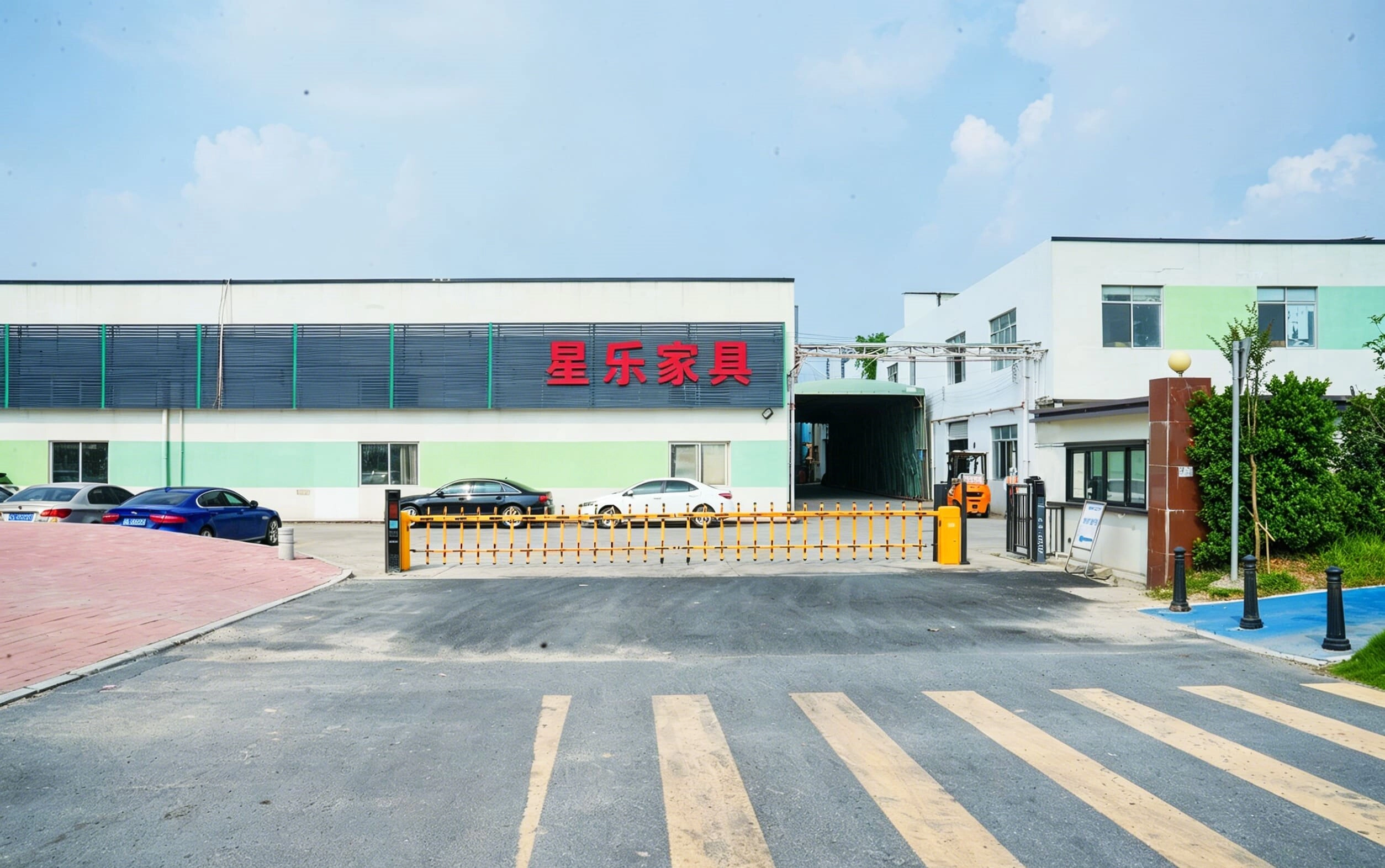
Starjoy Furniture Wins Multiple Authoritative Honors, Becomes Core Supplier of Top Hotel Brands

Integrating Tech: Power Outlets in Bespoke Furniture for Hotel Rooms
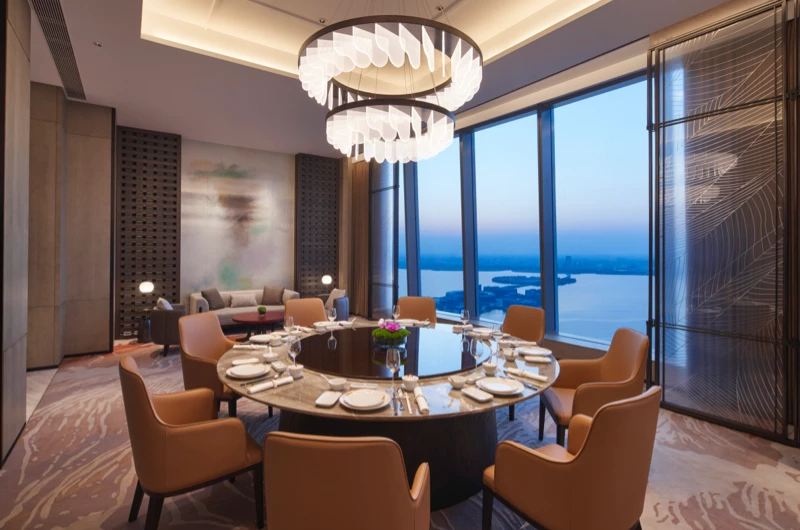
The Art of Craftsmanship: Durable and Stylish Custom Hotel Dining Tables and Chairs
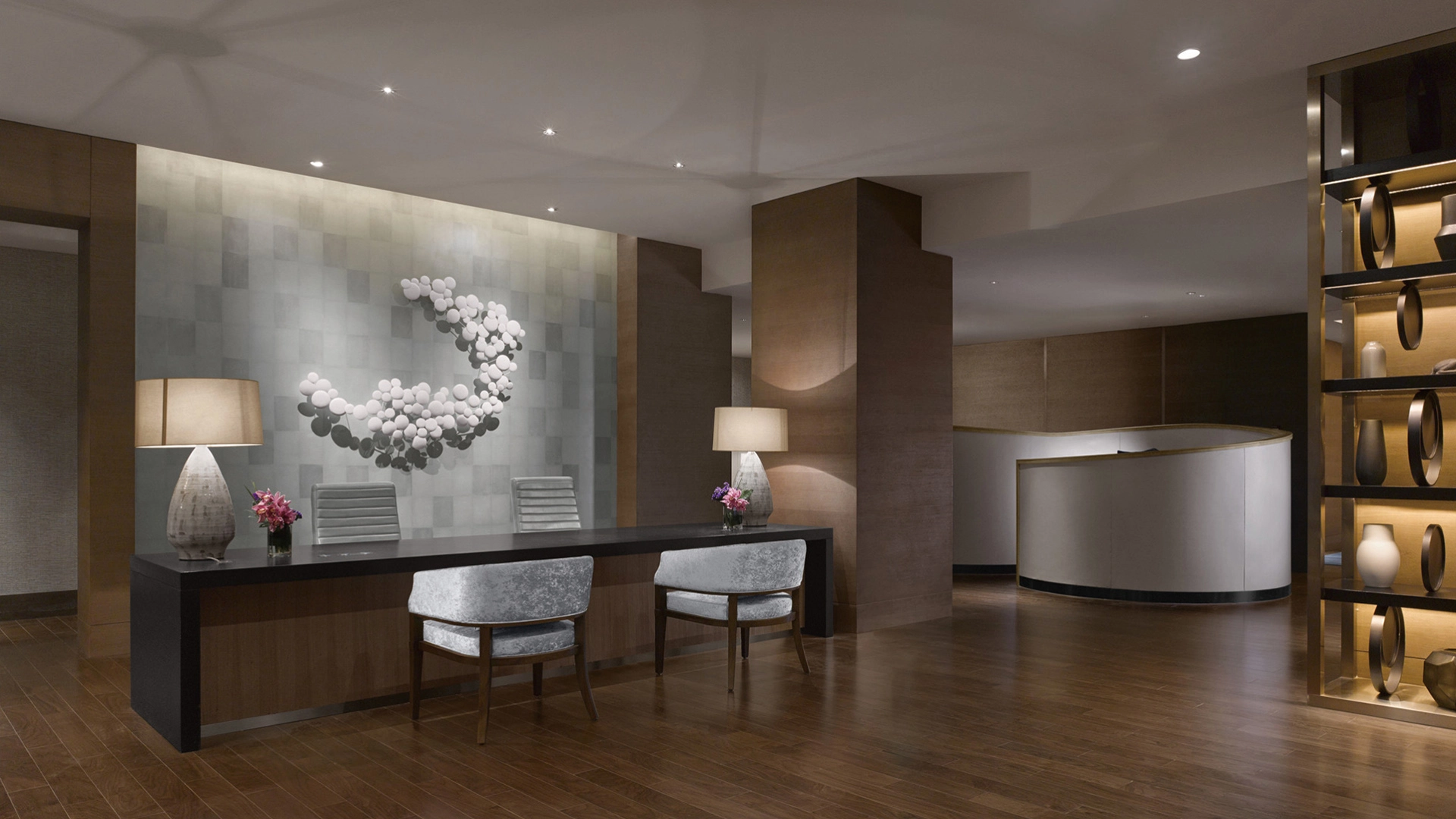
How Custom Built-in Furniture for Hotel Rooms Maximizes Boutique Space
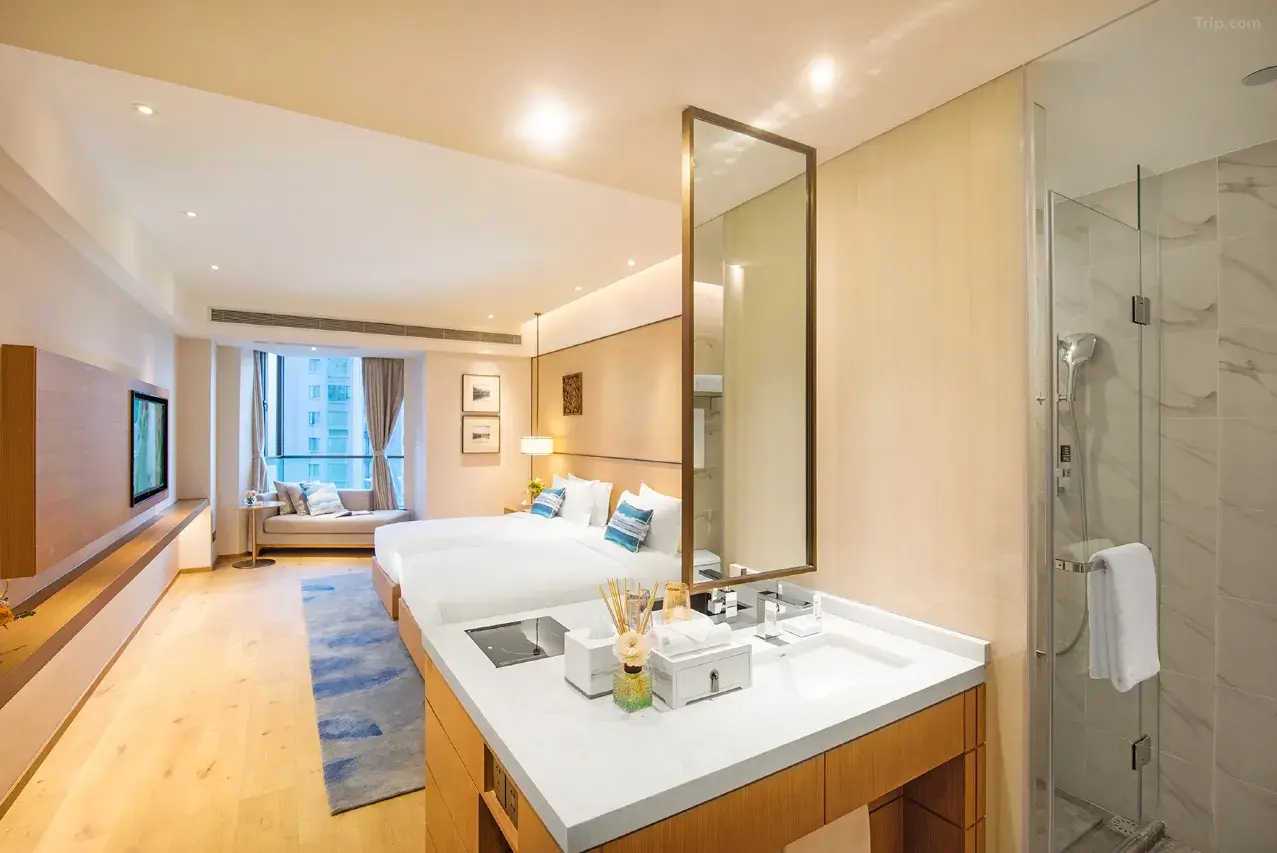
Fire Retardant Standards for Upholstered Furniture for Hotel Rooms and Bedding
Products
What are the payment terms and shipping terms?
We mainly do TT and FOB, other terms can also be discussed in detail.
Hotel Guest Room Furniture
How long does custom hotel guest room furniture production take?
The timeline depends on project quantity, furniture complexity, material confirmation, sample requirements, and delivery schedule.The production lead time for painted products is generally 40–45 days, while for pre-finished (paint-free) boards, it is typically 25–30 days.
Can Starjoy customize furniture according to hotel design drawings?
Yes. We can customize furniture based on interior drawings, floor plans, reference images, brand standards, sample room requirements, and project specifications.
About Cooperation Process
What is the end-to-end execution process for a full hotel FF&E project?
We manage a 7-stage professional lifecycle: 1. Requirement Analysis, 2. Value-Engineering Quotation, 3. Shop Drawing & Prototyping, 4. Batch Production, 5. Multi-stage QC, 6. Global Logistics, and 7. Installation Guidance.
About Products and Services
Who will bear the freight and tariffs?
Freight is usually borne by the buyer, and the specific cost will be calculated based on factor such as the volume of the goods, transportation method and distance. Taxes such as tariffs and value-added tax are determined according to the import policy of the destination country, and the buyer needs to understand and pay them by himself.
Get in Touch
We strive to provide the most thoughtful service, excellent quality and value to every customer who customizes hotel furniture from STARJOY. If you have any questions about your order, please contact us.

No.19, Gulou Industrial Zone, Jianggao Town, Baiyun District, Guangzhou
monica@starjoyglobal.com


