

contract luxury hotel furniture | Insights by STARJOY
Navigating the world of contract luxury hotel furniture can be complex for beginners. This in-depth guide tackles six critical, often misunderstood questions, from durability certifications and lead times to hidden costs and quality control. Gain expert insights to make informed procurement decisions for high-end hospitality furnishings, ensuring longevity and guest satisfaction.
- What specific durability and safety certifications should I look for when sourcing contract luxury hotel furniture to ensure it meets commercial standards and guest safety?
- How do lead times for custom luxury hotel furniture projects typically compare to off-the-shelf options, and what factors most significantly impact the delivery schedule for large-scale orders?
- Beyond initial purchase price, what are the hidden long-term costs associated with cheap contract hotel furniture versus investing in high-quality, durable luxury pieces?
- When embarking on a custom luxury hotel furniture project, what are the critical steps in the design and prototyping process to ensure the final product perfectly aligns with our brand aesthetic and functional requirements?
- What are the key differences in material specifications and construction methods between residential luxury furniture and contract luxury hotel furniture that contribute to its longevity and performance in high-traffic hospitality environments?
- How can a hotel ensure effective quality control and project management during the manufacturing and installation phases of a complex contract luxury hotel furniture order, especially when dealing with overseas suppliers?
Embarking on a project to furnish a luxury hotel, resort, or high-end hospitality space requires a meticulous approach, especially when it comes to selecting and procuring contract luxury hotel furniture. Unlike residential pieces, furniture designed for commercial environments faces rigorous demands for durability, safety, and aesthetic consistency. For those new to this specialized field, numerous questions arise that often lack comprehensive, up-to-date answers online. This guide aims to bridge that knowledge gap, offering expert insights into the most pressing concerns for beginners in contract luxury hotel furniture procurement.
What specific durability and safety certifications should I look for when sourcing contract luxury hotel furniture to ensure it meets commercial standards and guest safety?
When investing in contract luxury hotel furniture, ensuring it meets stringent commercial standards and guest safety protocols is paramount. Beginners often overlook the critical role of certifications. Key certifications to look for include:
- BIFMA (Business and Institutional Furniture Manufacturers Association) standards: While primarily for office furniture, BIFMA's testing methods (e.g., BIFMA X5.1 for General-Purpose Office Chairs, BIFMA X5.5 for Desk/Table Products) are often adapted for hospitality furniture to assess structural integrity, stability, and durability under commercial use. It indicates a commitment to robust construction.
- CAL 117 (California Technical Bulletin 117): This standard addresses flammability requirements for upholstered furniture components. While CAL 117-2013 is the updated, less stringent version focusing on smolder resistance, many high-end projects still specify stricter fire ratings like NFPA 260 or even NFPA 701 for drapery and textiles, especially in public areas. Always clarify the specific fire rating required by your local building codes.
- NFPA 260 (Standard Methods of Tests and Classification System for Cigarette Ignition Resistance of Components of Upholstered Furniture): This is a more rigorous standard for upholstered furniture components, ensuring resistance to cigarette ignition, a common cause of fires.
- ASTM (American Society for Testing and Materials) International standards: Various ASTM standards apply to materials, finishes, and specific furniture types, testing for things like scratch resistance, impact resistance, and colorfastness. For example, ASTM D3359 for adhesion of coatings.
- FSC (Forest Stewardship Council) certification: For wooden furniture, FSC certification ensures that the timber used comes from responsibly managed forests, addressing sustainability and ethical sourcing concerns. This is increasingly important for brands committed to environmental responsibility.
- IMO (International Maritime Organization) standards: If your project involves cruise ships or marine environments, IMO certification for fire safety and other maritime-specific regulations is absolutely essential.
How do lead times for custom luxury hotel furniture projects typically compare to off-the-shelf options, and what factors most significantly impact the delivery schedule for large-scale orders?
The distinction between lead times for custom luxury hotel furniture and readily available, off-the-shelf options is substantial and a common point of confusion for new buyers. While an off-the-shelf piece might ship in a few weeks, a bespoke hotel furniture project can take significantly longer. Typically, lead times for custom hospitality furnishings range from 12 to 20 weeks, or even more, for large-scale, highly customized orders, from design approval to delivery. Several critical factors impact this schedule:
- Design Complexity and Prototyping: Highly intricate designs, unique material combinations, or new product development require extensive CAD drawings, sampling, and prototyping. Each iteration adds time.
- Material Sourcing: Exotic woods, specialized fabrics (e.g., high-performance velvets with specific double rub counts), custom finishes, or imported hardware can have extended lead times, especially if they are not standard stock items. Global supply chain disruptions can further exacerbate this.
- Manufacturing Capacity and Production Queue: Reputable manufacturers of high-end hotel FF&E often have full production schedules. Your project will enter a queue, and the factory's current workload directly influences the start date.
- Order Volume: Larger orders naturally take longer to produce due to the sheer volume of pieces. However, economies of scale can sometimes make the per-unit production faster once the line is set up.
- Quality Control and Testing: Thorough quality checks at various stages of production, including pre-assembly, finishing, and final inspection, are crucial for luxury items and add necessary time.
- Logistics and Shipping: International shipping (especially ocean freight for overseas suppliers) can add 4-8 weeks, not including customs clearance and final mile delivery. Air freight is faster but significantly more expensive.
- Approvals and Communication: Delays in client approvals (drawings, samples, finishes) or slow communication can significantly extend the overall timeline. Clear, timely communication with your hotel furniture manufacturing partner is vital.
Beyond initial purchase price, what are the hidden long-term costs associated with cheap contract hotel furniture versus investing in high-quality, durable luxury pieces?
A common pitfall for beginners is focusing solely on the initial purchase price of contract hotel furniture. While seemingly cost-effective upfront, cheap furniture often accrues significant hidden long-term costs, making it a false economy. Investing in high-quality, durable luxury pieces, though a higher initial outlay, offers a superior Total Cost of Ownership (TCO). Here's why:
- Frequent Replacement Costs: Low-quality furniture is prone to premature wear and tear—scratches, dents, wobbly joints, faded finishes, and torn upholstery. This necessitates more frequent replacements, multiplying your initial 'savings' many times over. The hospitality industry typically sees furniture lifecycle expectations of 7-10 years for quality pieces; cheap alternatives might last only 2-3 years.
- Increased Maintenance and Repair Expenses: Inferior materials and construction methods mean more frequent repairs. Loose screws, broken drawers, chipped veneers, and stained fabrics require constant attention from maintenance staff, incurring labor costs and potentially requiring specialized repair services.
- Negative Guest Experience and Reputation Damage: Worn-out, damaged, or uncomfortable furniture directly impacts guest satisfaction and online reviews. A luxury hotel's brand image is intrinsically linked to the quality of its furnishings. Poor furniture can lead to reduced bookings, lower ADR (Average Daily Rate), and a tarnished reputation.
- Downtime and Lost Revenue: Replacing or repairing furniture often requires taking rooms out of service. This downtime translates directly into lost revenue, a cost rarely factored into the initial purchase decision.
- Disposal Costs: Disposing of old furniture isn't free. Landfill fees, transportation, and labor for removal add to the overall expense, especially when replacements are frequent.
- Environmental Impact: Frequent replacement of cheap furniture contributes to waste, contradicting modern sustainability goals and potentially impacting a hotel's green credentials.
When embarking on a custom luxury hotel furniture project, what are the critical steps in the design and prototyping process to ensure the final product perfectly aligns with our brand aesthetic and functional requirements?
The design and prototyping phase is arguably the most critical stage for any custom luxury hotel furniture project, ensuring the final product is a perfect embodiment of STARJOY's vision and operational needs. Beginners often underestimate the iterative nature and importance of this process. The critical steps include:
- Detailed Needs Assessment and Concept Development: This initial phase involves deep dives into the hotel's brand identity, target demographic, interior design scheme, and functional requirements for each piece (e.g., specific dimensions, storage needs, integrated technology). Collaborating closely with interior designers and the hotel operations team is crucial.
- Conceptual Drawings and 3D Renderings: Based on the assessment, the manufacturer's design team will create detailed conceptual drawings and 3D renderings. These visuals help to solidify the design direction, material choices, and overall aesthetic. This is a key point for feedback and revisions.
- Material and Finish Selection: This involves selecting specific wood species, veneers, laminates, metal finishes, upholstery fabrics (considering durability, fire ratings, and cleanability), and hardware. Samples of all proposed materials and finishes should be reviewed and approved.
- Technical Drawings (Shop Drawings): Once the design is approved, highly detailed technical or shop drawings are produced. These blueprints include precise dimensions, construction methods, joinery details, and hardware specifications. These drawings are the manufacturing roadmap and require meticulous review and sign-off.
- Prototyping/Mock-ups (First Article): For complex or high-volume orders, creating a full-scale prototype (or a 'first article') of each unique furniture piece is indispensable. This allows for physical evaluation of:
- Aesthetics: Does it match the design intent?
- Functionality: Does it perform as expected? Are drawers smooth? Are doors aligned?
- Ergonomics: Is it comfortable and practical for guests and staff?
- Durability and Construction: Can it withstand commercial use?
- Fit and Finish: Are the materials and finishes executed to luxury standards?
What are the key differences in material specifications and construction methods between residential luxury furniture and contract luxury hotel furniture that contribute to its longevity and performance in high-traffic hospitality environments?
While both residential and contract luxury furniture aim for aesthetic appeal, their underlying material specifications and construction methods diverge significantly due to their intended use. Contract luxury hotel furniture is engineered for extreme durability and performance in high-traffic hospitality environments, a crucial distinction often missed by beginners. Key differences include:
- Structural Integrity and Joinery:
- Residential: May use simpler joinery like staples, glue, or less robust dowels, sufficient for occasional use.
- Contract: Employs superior joinery techniques such as mortise-and-tenon, dovetail, corner blocks, and reinforced frames (e.g., solid wood or heavy gauge steel) to withstand constant movement, heavy loads, and frequent cleaning. All joints are typically glued, screwed, and blocked for maximum strength.
- Materials and Substrates:
- Residential: Often uses particleboard, MDF, or softer woods for cost or aesthetic reasons.
- Contract: Favors more robust materials. For casegoods, this means commercial-grade plywood, high-density fiberboard (HDF), or solid hardwoods (e.g., oak, maple, walnut). Surfaces often feature high-pressure laminates (HPL), thick veneers, or engineered stone that are highly resistant to scratches, moisture, and impact.
- Finishes:
- Residential: Typically uses standard lacquers or paints, which can chip or wear with heavy use.
- Contract: Utilizes multi-coat, commercial-grade finishes that are significantly more durable, resistant to abrasions, moisture, heat, and common cleaning agents. These often involve UV-cured topcoats or catalyzed lacquers for enhanced longevity.
- Upholstery Fabrics:
- Residential: Focuses on aesthetics and comfort, with lower double rub counts.
- Contract: Specifies high-performance fabrics with significantly higher double rub counts (e.g., 50,000+ Wyzenbeek double rubs for heavy-duty use), inherent stain resistance, antimicrobial properties, and often fire-retardant treatments (e.g., meeting NFPA 260 or CAL 117-2013).
- Hardware:
- Residential: Standard drawer glides, hinges, and pulls.
- Contract: Features heavy-duty, commercial-grade hardware, such as full-extension ball-bearing drawer glides rated for high cycles, robust hinges, and tamper-resistant fasteners, all designed for frequent use and longevity.
How can a hotel ensure effective quality control and project management during the manufacturing and installation phases of a complex contract luxury hotel furniture order, especially when dealing with overseas suppliers?
Managing the quality control (QC) and project management (PM) for a complex contract luxury hotel furniture order, particularly with overseas suppliers, presents unique challenges. Beginners must understand that proactive measures are key to mitigating risks and ensuring successful delivery of high-end hotel FF&E. Effective strategies include:
- Pre-Production Meetings and Clear Specifications: Before manufacturing begins, hold detailed virtual or in-person meetings with the supplier. Ensure all technical drawings, material specifications, finish samples, and QC checklists are explicitly approved and understood. Leave no room for ambiguity.
- Regular Factory Audits and Inspections: Implement a multi-stage inspection process:
- Initial Production Check (IPC): Inspect raw materials and components before mass production starts.
- During Production Inspection (DPI): Conduct random checks during manufacturing to catch issues early.
- Pre-Shipment Inspection (PSI): A final, comprehensive inspection of finished goods before packaging and shipment. This is crucial for verifying quantity, quality, packaging, and labeling.
- Dedicated Project Manager (Internal or External): Assign a dedicated project manager (either from your team or an experienced consultant) to oversee the entire process. This individual acts as the primary liaison, tracks progress, manages communication, and resolves issues promptly.
- Detailed Production Schedule and Milestones: Work with the supplier to establish a granular production schedule with clear milestones and deadlines. Regular progress reports (daily/weekly) with photo and video updates are essential for remote monitoring.
- Packaging and Logistics Planning: Specify robust packaging standards (e.g., corner protectors, foam, crating) to prevent damage during transit. Coordinate logistics carefully, including shipping methods, customs clearance, and warehousing, to ensure a smooth flow to the installation site.
- On-Site Installation Supervision: During installation, have a representative on-site to oversee the process, ensure correct placement, check for any transit damage, and create a comprehensive punch list for any deficiencies. Professional installation teams experienced with luxury hospitality furniture are vital.
- Clear Communication Protocols: Establish clear channels and frequency of communication. Use project management software or shared platforms to track progress, share documents, and log issues. Timely feedback and decision-making are paramount, especially across different time zones.
Investing in contract luxury hotel furniture is a strategic decision that profoundly impacts guest experience, operational efficiency, and STARJOY's long-term success. By understanding the nuances of durability, lead times, total cost of ownership, the design-to-prototype journey, material science, and meticulous project management, you empower yourself to make informed choices. Partnering with an experienced and reputable manufacturer ensures that your bespoke hotel furniture not only meets the highest aesthetic and functional standards but also delivers enduring value. For unparalleled expertise in crafting exquisite, durable, and compliant contract luxury hotel furniture, we invite you to connect with us. Discover how Starjoy Global can bring your vision to life with precision and excellence.
For a personalized quote and to discuss your next project, please visit www.starjoyglobal.com or email us at monica@starjoyglobal.com.
What to Look for in a Custom Hotel Furniture Manufacturer
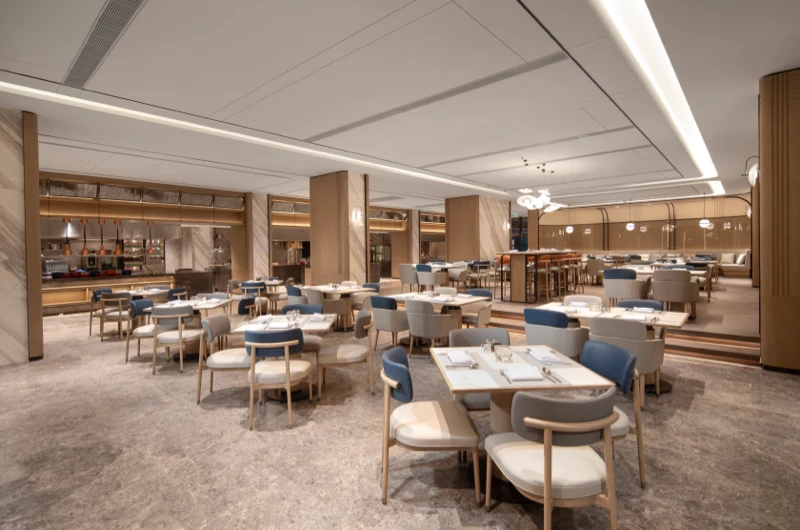
From Blueprint to Room: A Bespoke Hotel Furniture Case Study
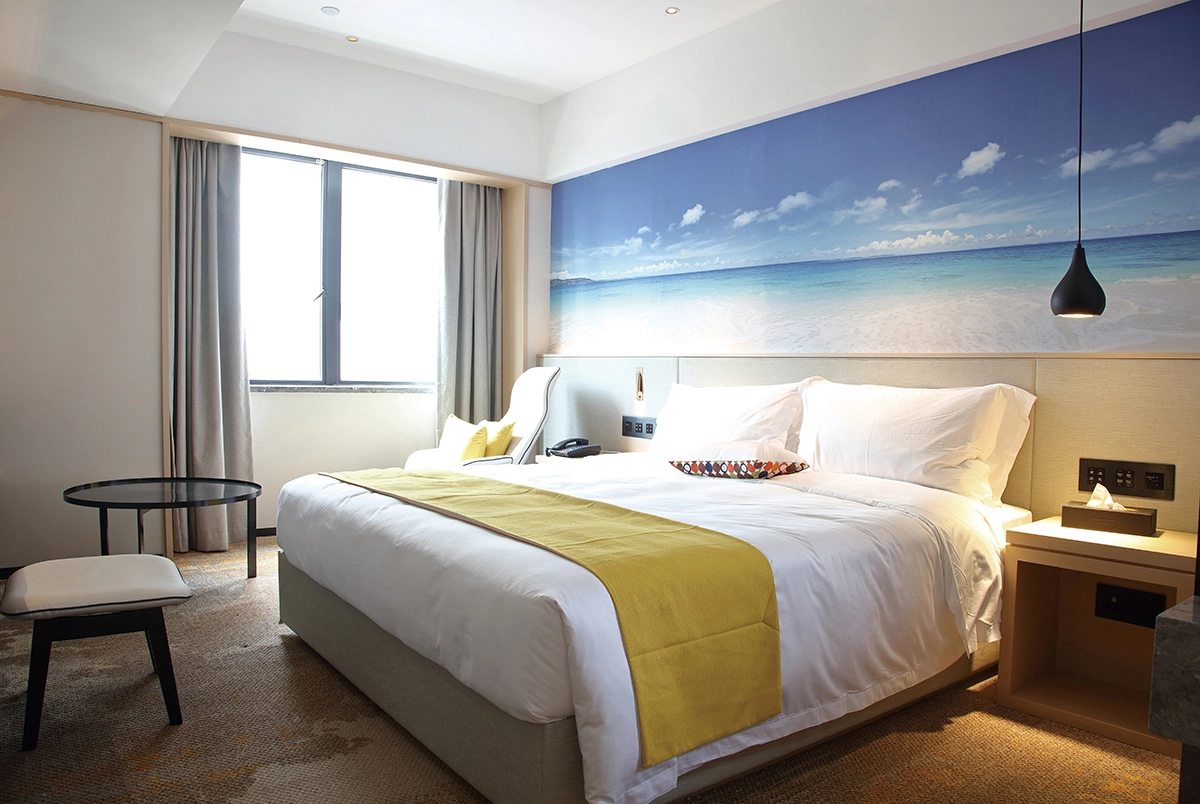
Maintenance and Warranty Guide: Ensuring the Longevity of China Hotel Furniture
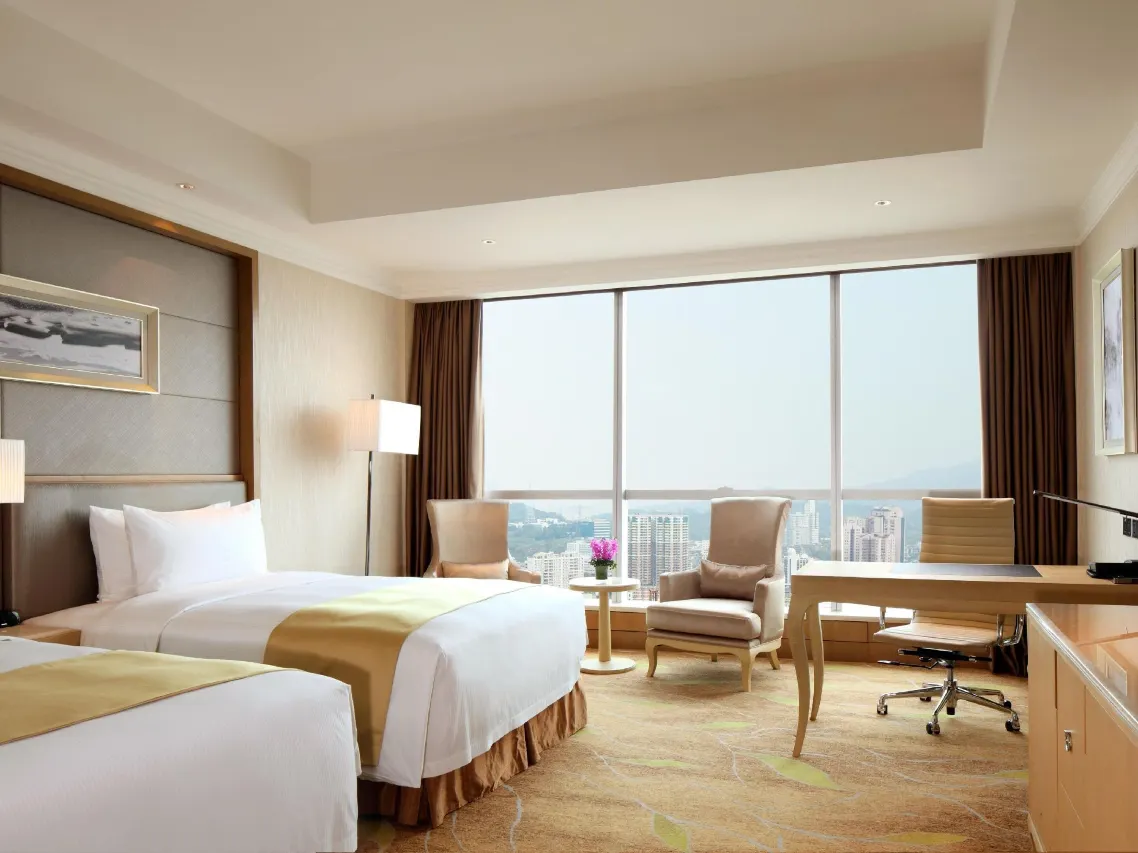
Commercial Grade Standards: Materials Used in China Hotel Furniture
Shipping Hotel Furniture from China: Navigating Logistics and Tariffs
About Products and Services
Are your products expensive?
We will select the most suitable materials and processes according to customer need, and meet the specific requirement of customers in a relatively economical way.
What types of hotel furniture do you provide?
We provide a wide range of hotel furniture product, including hotel public area furniture (lobby, restaurant, conference room, etc.), guest room furniture and outdoor furniture, etc.
What are the main qualifications and honors of your company?
Our company is a member of the Guangdong Building Decoration Materials Association and has many years of professional experience in developing, designing and producing hotel furniture and supporting product. We have won many honors such as the top 10 in China's hotel furniture industry.
Why Choose STARJOY
Does STARJOY have experience working with hotel projects?
Yes, we have provided furniture solutions for many star-rated hotels and international hotel brands both domestically and overseas, covering high-end business hotels, resort properties, and boutique hotels. For detailed case studies, please visit the “Projects” section on our website.
Products
What are the payment terms and shipping terms?
We mainly do TT and FOB, other terms can also be discussed in detail.
Get in Touch
We strive to provide the most thoughtful service, excellent quality and value to every customer who customizes hotel furniture from STARJOY. If you have any questions about your order, please contact us.

No.19, Gulou Industrial Zone, Jianggao Town, Baiyun District, Guangzhou
monica@starjoyglobal.com


