

The Ultimate Guide to Hotel Furniture, Fixtures, and Equipment (FF&E) in 2026 and Beyond
A comprehensive guide for hotel developers on Furniture, Fixtures, and Equipment (FF&E). Covers 2026 trends, procurement lifecycles, tax depreciation, and differences from OS&E, featuring expert insights from Starjoy.
- What is Hotel Furniture, Fixtures, and Equipment (FF&E)?
- The "Shake the Building" Rule
- Role in Brand Identity
- Key Examples of FF&E
- Quick Summary: Key Takeaways for Hotel Developers
- The Core Differences: FF&E vs. OS&E Explained
- Comparison Checklist
- The 2026 FF&E Procurement Lifecycle: A Step-by-Step Roadmap
- 1. Design and Specification
- 2. Global Sourcing & Manufacturing
- 3. Mock-up Room Creation
- 4. Logistics and Freight
- 5. On-site Installation
- Financial Optimization: Depreciation, CapEx, and Tax Benefits
- IRS Depreciation Schedules
- Section 179 and Bonus Depreciation
- Expert Tips: Avoiding Common Mistakes in Hospitality Design
- 1. Ignoring Lead Times
- 2. Prioritizing Style Over Durability
- 3. Overlooking Connectivity
- Future Trends: Smart FF&E and the Circular Economy in 2026
- IoT-Integrated Smart Furniture
- Biophilic and Circular Design
- Frequently Asked Questions (FAQ)
- What is the difference between FF&E and OS&E?
- What is included in a hotel's FF&E budget?
- How often should a hotel replace FF&E?
- What is the "shake the building" rule for FF&E?
- How do you calculate depreciation on hotel furniture?
- What are hospitality case goods?
- Is FF&E a capital expense (CapEx)?
- References
In the high-stakes world of hospitality development, Furniture, Fixtures, and Equipment (FF&E) represent the tangible soul of your property. It is the tactical bridge between a guest's first impression and their lasting comfort. As we move into 2026, the definition of FF&E is evolving beyond simple aesthetics to include smart integration and circular economy principles. With nearly 20 years of experience powering high-tech hospitality solutions, Starjoy helps developers navigate this complex landscape.
What is Hotel Furniture, Fixtures, and Equipment (FF&E)?
FF&E refers to movable furniture, fixtures, or other equipment that have no permanent connection to the structure of a building or its utilities. In the hospitality industry, this category encompasses everything from guest room headboards and desks to lobby lighting and decorative accessories.
The "Shake the Building" Rule
The easiest way to identify an FF&E asset is the "Shake the Building" rule. Imagine flipping your hotel upside down and shaking it; everything that falls out is considered FF&E. If it stays attached (like HVAC systems or windows), it is part of the real estate. This distinction is vital for accurate budgeting and tax categorization.
Role in Brand Identity
Your FF&E package dictates your property's star rating and guest satisfaction score. While the architecture sets the stage, the furniture delivers the experience. At Starjoy, we utilize advanced machinery from German and Italian manufacturers to ensure that every piece of custom furniture meets the rigorous standards of luxury hospitality.
Key Examples of FF&E
- Case Goods: Hard furniture like dressers, nightstands, desks, and wardrobes.
- Soft Goods: Upholstered items like sofas, lounge chairs, and drapery.
- Fixtures: Decorative lighting, artwork, and mirrors (non-structural).
- Electronic Equipment: Televisions, safes, and minibars.
Quick Summary: Key Takeaways for Hotel Developers
- Cost Impact: FF&E typically accounts for 10% to 15% of total hotel development costs for select-service and upscale properties.
- Cost Per Key: According to the HVS 2025 U.S. Hotel Development Cost Survey, luxury hotel development costs often exceed $1 million per key, with FF&E budgets ranging from $30,000 to over $100,000 per room depending on the tier.
- Lifespan: The useful life for most hospitality FF&E is 5 to 7 years, requiring a consistent replacement cycle to maintain brand standards.
- Lead Times: Early procurement planning can reduce lead-time risks by up to 30%, a critical factor given global logistics volatility.
The Core Differences: FF&E vs. OS&E Explained
FF&E (Furniture, Fixtures, and Equipment) consists of long-term, durable assets, whereas OS&E (Operating Supplies and Equipment) refers to consumable, short-term items needed for daily operations. Confusing these two categories is a common budgeting error that can lead to tax reporting issues.
Comparison Checklist
- Lifespan: FF&E lasts years (e.g., a bed frame), while OS&E is consumed or frequently replaced (e.g., bed linens, soap, cutlery).
- Accounting: FF&E is a capital expenditure (CapEx) depreciated over time. OS&E is typically an operating expense (OpEx) written off in the year of purchase.
- Procurement: Hotel FF&E vs. OS&E sourcing requires different supply chains. FF&E involves custom manufacturing (like Starjoy's 56,000 sqm facility), while OS&E is often purchased off-the-shelf.

The 2026 FF&E Procurement Lifecycle: A Step-by-Step Roadmap
Successful hospitality case goods procurement requires a disciplined, five-stage process to ensure quality and timeliness. Missing a step here can delay a hotel opening by months.
1. Design and Specification
Designers create the vision, but procurement agents must validate it. This involves specifying materials that meet commercial durability standards (e.g., high-pressure laminates vs. real wood veneer).
2. Global Sourcing & Manufacturing
This is where experience counts. With six specialized manufacturing plants—including dedicated factories for partitions, screens, and sofas—Starjoy integrates research and production to control quality. Utilizing a "one-stop solution" provider minimizes the friction between different suppliers.
3. Mock-up Room Creation
Never skip the Model Room. This critical phase allows stakeholders to test the functionality of the furniture. Does the desk chair hit the wall? Is the bedside table too low? Testing a single room prevents 200 mistakes.
4. Logistics and Freight
Managing the transport of thousands of furniture pieces requires "White Glove" logistics. This includes freight forwarding, warehousing, and timed deliveries to the construction site.
5. On-site Installation
Installation must be coordinated with the general contractor. Furniture should be the last thing to enter a room to prevent damage from construction dust or paint.
Financial Optimization: Depreciation, CapEx, and Tax Benefits
FF&E is a significant capital expense (CapEx), but smart financial planning can turn these costs into tax advantages. Understanding the FF&E depreciation schedule for hotels is essential for maximizing ROI.
IRS Depreciation Schedules
According to recent IRS guidelines (Publication 946), most hotel furniture is classified as 5-year or 7-year property under the Modified Accelerated Cost Recovery System (MACRS).
- 5-Year Property: Carpets, appliances, and computer-based equipment.
- 7-Year Property: Desks, chairs, beds, and fixtures.
Section 179 and Bonus Depreciation
For the 2024/2025 tax years, Section 179 allows hoteliers to deduct the full purchase price of qualifying equipment immediately, up to approximately $1.22 million (adjusted annually). However, note that Bonus Depreciation is phasing down (60% in 2024, 40% in 2025), making accurate cost segregation studies more important than ever to accelerate depreciation and improve cash flow.
Expert Tips: Avoiding Common Mistakes in Hospitality Design
Effective hotel renovation project management relies on anticipating problems before they become change orders.
1. Ignoring Lead Times
The "Just-in-Time" model fails in hospitality. Custom manufacturing takes 8-12 weeks, plus 4-6 weeks for ocean freight. Start procurement at least 8 months before your soft opening.
2. Prioritizing Style Over Durability
Residential furniture cannot withstand hotel usage. A beautiful chair that breaks in six months is a liability. Starjoy's commitment to high-tech enterprise standards ensures that products meet commercial-grade durability tests.
3. Overlooking Connectivity
Modern guests travel with multiple devices. Failing to integrate USB-C and standard power outlets into headboards and desks is a major guest complaint. Ensure your case goods are "tech-ready" from the factory.
Future Trends: Smart FF&E and the Circular Economy in 2026
As we look toward 2026, sustainable hotel furniture sourcing and technology integration are the dominant trends reshaping the industry.
IoT-Integrated Smart Furniture
Furniture is becoming active rather than passive.
- Smart Tables: Surfaces with built-in wireless charging pads.
- Sensor-Embedded Seating: Public area furniture that tracks occupancy rates to help managers optimize cleaning schedules.
- Sleep Tech: Mattresses with integrated sleep-tracking sensors and temperature control.
Biophilic and Circular Design
Sustainability is moving beyond just materials to the entire lifecycle. "Circular Procurement" focuses on furniture designed for eventual disassembly and recycling.
- Materials: A shift toward reclaimed wood, bamboo, and recycled ocean plastics.
- Aesthetics: A return to warmth. 2026 design trends favor earthy tones (terracotta, sage, and beige) over the cold greys of the past decade, utilizing natural textures to promote guest wellness.
Frequently Asked Questions (FAQ)
What is the difference between FF&E and OS&E?
FF&E (Furniture, Fixtures, and Equipment) refers to durable, semi-permanent assets like beds, sofas, and desks. OS&E (Operating Supplies and Equipment) refers to consumable or short-term items like towels, soap, and glassware.
What is included in a hotel's FF&E budget?
A standard FF&E budget includes guest room case goods (dressers, nightstands), soft goods (drapes, bedding), public area furniture, decorative lighting, and electronic equipment like TVs.
How often should a hotel replace FF&E?
Hotels typically replace soft goods every 5 to 7 years and case goods every 7 to 10 years to maintain brand standards. Luxury properties may require more frequent updates.
What is the "shake the building" rule for FF&E?
This is a rule of thumb stating that if you were to flip a building upside down and shake it, anything that falls out is considered FF&E. Anything that remains attached is part of the real estate.
How do you calculate depreciation on hotel furniture?
Most hotel furniture uses a 5-year or 7-year MACRS depreciation schedule for US tax purposes. Cost segregation studies can help owners accelerate this depreciation to reduce near-term tax liability.
What are hospitality case goods?
Case goods are hard furniture items that form the structural "skeleton" of a guest room, such as headboards, nightstands, dressers, wardrobes, and desks.
Is FF&E a capital expense (CapEx)?
Yes, FF&E is considered a capital expenditure because the items have a useful life extending beyond one year. They are capitalized and depreciated rather than expensed immediately.
References
What to Look for in a Custom Hotel Furniture Manufacturer
Top Custom Hotel Furniture Hubs in China: Guangzhou and Beyond
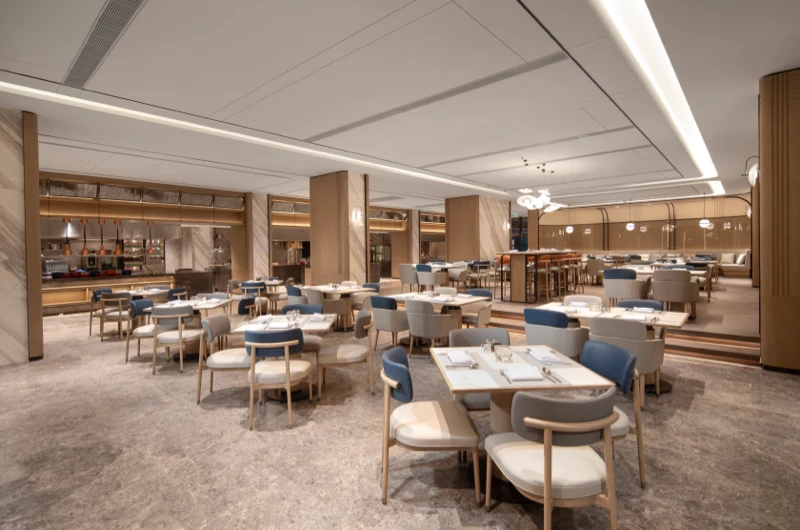
From Blueprint to Room: A Bespoke Hotel Furniture Case Study
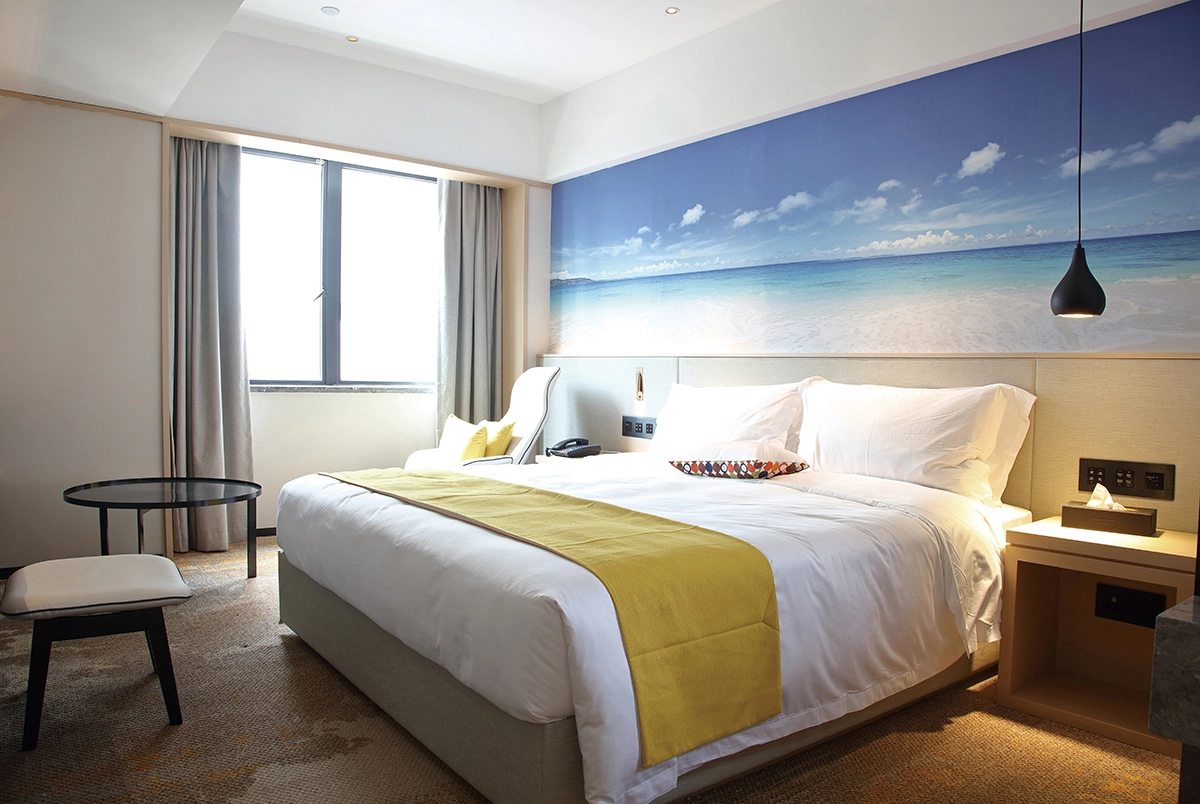
Maintenance and Warranty Guide: Ensuring the Longevity of China Hotel Furniture
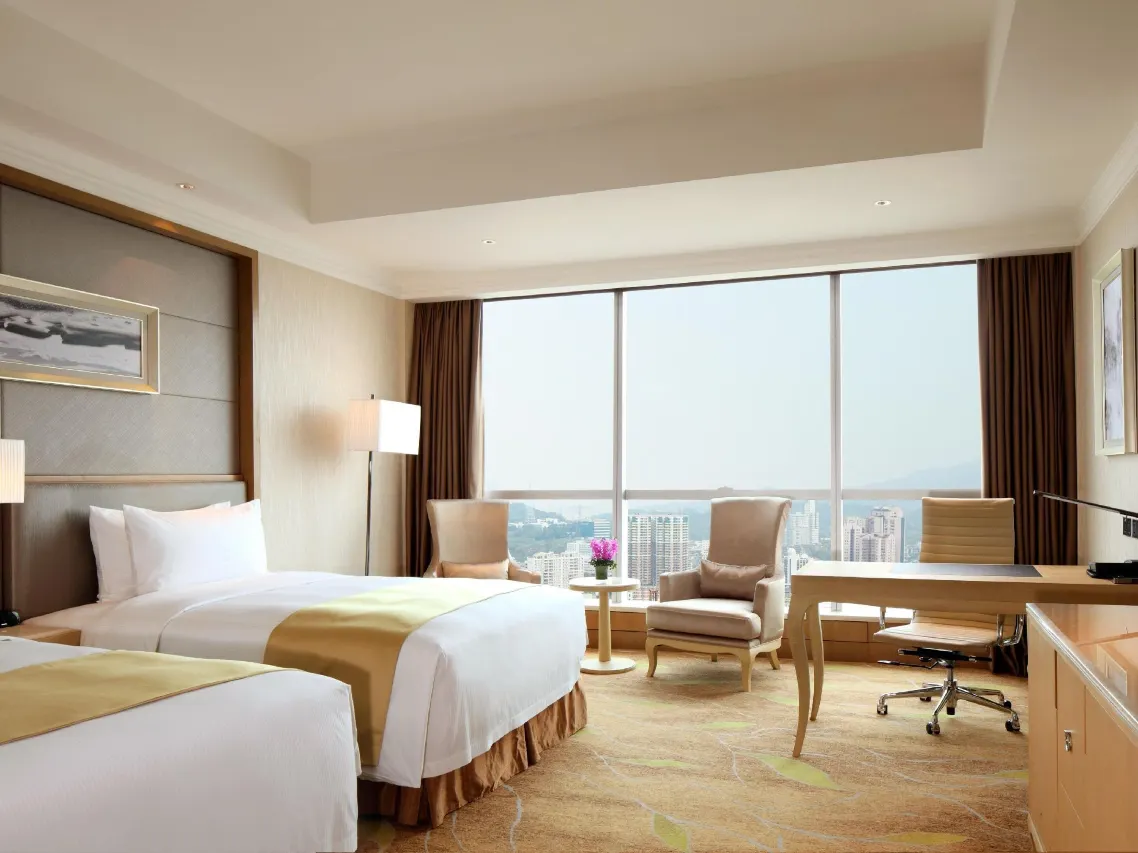
Commercial Grade Standards: Materials Used in China Hotel Furniture
About Cooperation Process
What information do I need to provide to start the cooperation process?
You need to provide your company information, product need, customization requirement, cooperation intention and other relevant information.
How to start working with your company?
You can contact us through our official website or contact information, and our sales team will be happy to assist you.
Why Choose STARJOY
Why choose STARJOY?
1) We have perfect hotel furniture project implementation capabilities: we have a professional in-depth design team, an efficient production team, and an experienced and friendly after-sale service team.
2) Our product quality is worthy of customer trust.
3) We have a flexible pricing system.
4) We have a strong willingness to cooperate.
Products
What is the MOQ of your products?
Different situations have different MOQ. We make customized models, which depends on the specific materials and dimensions of your product. You can tell me the specific requirements of the product, and we will give you a quote.
About Products and Services
What types of hotel furniture do you provide?
We provide a wide range of hotel furniture product, including hotel public area furniture (lobby, restaurant, conference room, etc.), guest room furniture and outdoor furniture, etc.
Get in Touch
We strive to provide the most thoughtful service, excellent quality and value to every customer who customizes hotel furniture from STARJOY. If you have any questions about your order, please contact us.

No.19, Gulou Industrial Zone, Jianggao Town, Baiyun District, Guangzhou
monica@starjoyglobal.com


