

How to choose commercial hotel lobby furniture materials? | Insights by STARJOY
Selecting the right materials for commercial hotel lobby furniture is a critical decision impacting guest experience, operational costs, and brand image. This expert Q&A tackles common procurement dilemmas, moving beyond basic considerations to address specific challenges like durability in high-traffic areas, fire safety compliance, sustainable choices, and maintenance. We delve into upholstery, wood, metals, and hard surfaces, providing actionable insights for hoteliers and specifiers seeking long-term value and aesthetic excellence.
- Beyond standard fabric or leather, what are the most durable and stain-resistant upholstery materials for high-traffic hotel lobby seating, balancing aesthetics and ease of maintenance?
- When specifying wood for hotel lobby tables and reception desks, how do different wood species and finishes affect their resistance to wear, scratches, and moisture in busy environments?
- What specific certifications or treatments should I look for in hotel lobby furniture materials (especially textiles and foams) to ensure compliance with fire safety regulations and enhance guest safety?
- Are sustainable and eco-friendly materials for hotel lobby furniture truly a cost-effective long-term investment, and which specific materials offer the best ROI?
- For modern hotel lobbies, what non-traditional materials (e.g., advanced composites, specialized metals, or engineered surfaces) offer the best combination of unique aesthetics, durability, and acoustic performance?
- What are the critical considerations for selecting metal finishes (e.g., PVD coatings, powder-coated vs. plated) for hotel lobby furniture frames to ensure longevity, ease of cleaning, and resistance to tarnishing?
- When choosing between natural stone, quartz, or solid surface materials for high-contact lobby surfaces like reception counters or coffee tables, what are the key differences in maintenance, repairability, and long-term appearance retention?
As a senior expert in custom hotel furniture, I understand that choosing the right materials for your commercial hotel lobby isn't just about aesthetics – it's a strategic decision impacting durability, maintenance, guest satisfaction, and ly, your return on investment. Many beginners in hotel procurement find themselves overwhelmed by the sheer volume of options and the lack of in-depth, practical guidance online. This article aims to fill that gap, addressing specific, pain-point-driven questions that will empower you to make informed material selections for your next custom hotel lobby furniture project.
Beyond standard fabric or leather, what are the most durable and stain-resistant upholstery materials for high-traffic hotel lobby seating, balancing aesthetics and ease of maintenance?
In high-traffic hotel lobbies, traditional fabrics and even some leathers can quickly show wear and tear. The key is to look for performance fabrics designed for commercial use. These often feature inherent stain-resistant properties and exceptional durability.
- High-Performance Synthetics (e.g., Crypton, Sunbrella Contract): Brands like Crypton and Sunbrella Contract offer fabrics with integrated moisture barriers and stain protection that are woven into the fibers, not just topically applied. They resist spills, microbes, and odors, making cleaning significantly easier. Their double rubs (Wyzenbeek abrasion test) typically range from 50,000 to well over 100,000, far exceeding the 15,000-30,000 recommended for general contract use. They come in a vast array of textures and patterns, mimicking natural fibers while offering superior performance.
- High-Quality Vinyls and Polyurethanes (PUs): Modern contract-grade vinyls and PUs have come a long way from their 'pleather' reputation. They are highly durable, easy to clean with disinfectants, and resist scuffs and punctures. Many now feature soft hand feels and realistic leather-like grains. Look for products with high tear strength and resistance to harsh cleaning agents, especially important post-pandemic.
- Solution-Dyed Olefin/Polypropylene: These fibers are dyed before being woven, meaning the color goes all the way through the fiber, making them highly resistant to fading (UV stable) and bleach. They are also inherently stain, mildew, and moisture resistant, and very economical.
Expert Tip: Always ask for specification sheets detailing the fabric's double rubs, pilling resistance, colorfastness to light, and cleaning codes. Prioritize materials that allow for easy spot cleaning with common disinfectants.
When specifying wood for hotel lobby tables and reception desks, how do different wood species and finishes affect their resistance to wear, scratches, and moisture in busy environments?
Wood selection for high-use lobby furniture is a balance between aesthetics, durability, and cost. Both the wood species and the finish play critical roles in its longevity.
- Wood Species:
- Hardwoods (e.g., Oak, Maple, Walnut, Ash): These are generally more durable and resistant to dents and scratches due to their higher density. The Janka hardness scale is an excellent reference; a higher Janka rating indicates greater resistance to denting and wear. For instance, Hard Maple (1450 lbf) is significantly harder than Red Oak (1290 lbf). They often have distinct grain patterns that can hide minor imperfections.
- Engineered Wood Products (Plywood, MDF with Veneer): For large surfaces or specific design needs, high-quality plywood or MDF with a hardwood veneer can offer stability and cost-effectiveness. The veneer's durability depends heavily on its thickness and the protective finish. Plywood offers better screw retention and moisture resistance than MDF, while MDF provides a smoother, more uniform surface for painting or thin veneers.
- Finishes: The finish is the wood's primary shield.
- Conversion Varnish/Catalyzed Lacquer: These are industry-standard for contract furniture, offering excellent resistance to moisture, chemicals, and abrasion. They cure into a hard, protective layer.
- Polyurethane (Poly): Highly durable, impact-resistant, and water-resistant. It can be oil-based or water-based, with oil-based typically offering more ambering and harder finish. Two-part polyurethanes provide exceptional commercial-grade protection.
- Oil Finishes: While beautiful and providing a natural feel, they offer less protection against spills and scratches and require more frequent maintenance (re-oiling) in high-traffic areas.
Expert Tip: For reception desks and coffee tables, consider specifying a slightly higher sheen (satin or semi-gloss) as it can be more forgiving with minor scuffs than a matte finish, and easier to clean. Edges should be durable, potentially using solid wood banding or a robust PVC edge band for veneered panels.
What specific certifications or treatments should I look for in hotel lobby furniture materials (especially textiles and foams) to ensure compliance with fire safety regulations and enhance guest safety?
Fire safety is paramount in commercial hospitality environments. Beyond general fire ratings, specific certifications and treatments demonstrate rigorous compliance.
- For Upholstery Fabrics:
- NFPA 701 (National Fire Protection Association): This standard for flame resistance of textiles and films is crucial for draperies, curtains, and decorative fabrics. It tests how long a fabric continues to flame after ignition and how much charring occurs. NFPA 701 compliance is often required by local building codes.
- ASTM E84 (Standard Test Method for Surface Burning Characteristics of Building Materials): Also known as the Tunnel Test, this measures flame spread and smoke development for materials applied to walls or ceilings, but sometimes referenced for furniture components like panels or decorative screens.
- IMO FTPC Part 7 (International Maritime Organization Fire Test Procedures Code): If your project is a floating hotel or on a cruise ship, this stringent marine standard is essential for upholstered furniture, ensuring fire resistance even in enclosed, high-density environments.
- For Upholstery Foams and Filling Materials:
- CAL TB 117-2013 (California Technical Bulletin 117-2013): This is the most widely adopted standard in the US for testing the smolder resistance of upholstered furniture components. It assesses how well individual components (cover fabric, barrier, filling materials) resist ignition from a small open flame or smoldering cigarette. Note that CAL TB 117-2013 focuses on component smolder resistance, not necessarily full furniture ignitability.
- BS 5852 (British Standard): A more stringent standard often required in Europe, testing the ignitability of composite materials for upholstered seating by various ignition sources, including small flames and cribs.
- Fire Retardant (FR) Treatments: Some materials are inherently fire-resistant (e.g., certain wools, modacrylics), while others require topical or integrated FR treatments. Always verify that these treatments are durable for the lifespan of the furniture and comply with health and environmental regulations (e.g., avoiding problematic halogenated flame retardants).
Expert Tip: Always request fire test certificates for all upholstered furniture components. Specifying materials that meet multiple standards (e.g., NFPA 701 for fabric, CAL TB 117-2013 for foam) provides comprehensive safety assurance.
Are sustainable and eco-friendly materials for hotel lobby furniture truly a cost-effective long-term investment, and which specific materials offer the best ROI?
Absolutely. While the upfront cost of sustainable materials can sometimes be marginally higher, their long-term value often provides a superior return on investment (ROI) through enhanced durability, lower maintenance, reduced environmental impact, and significant brand appeal to eco-conscious travelers. According to a 2023 study by Booking.com, 79% of global travelers state that making sustainable choices is important to them, a strong indicator that sustainable practices resonate with guests.
- FSC-Certified Wood: Wood from Forest Stewardship Council (FSC) certified forests ensures responsible forest management. While potentially slightly more expensive, FSC wood often comes from suppliers committed to quality and longevity. Its durability inherently reduces the need for replacement, cutting long-term costs.
- Recycled Content Materials: From fabrics made with post-consumer recycled PET bottles to tabletops incorporating recycled glass or plastics, these materials divert waste from landfills. Many recycled materials, especially performance fabrics, are designed for extreme durability, offering excellent longevity.
- Rapidly Renewable Materials (Bamboo, Cork): Bamboo is a fast-growing grass that can be harvested without replanting, offering exceptional hardness and unique aesthetics for tabletops and panels. Cork is harvested from tree bark without harming the tree, providing a soft, sound-absorbent, and renewable surface. Both are highly durable for appropriate applications.
- Low-VOC (Volatile Organic Compound) Finishes and Adhesives: While not directly a material, using low-VOC finishes for wood and metal, and low-VOC adhesives for upholstery, contributes to better indoor air quality (IAQ). This enhances guest comfort and staff well-being, potentially reducing sick building syndrome issues. Look for GREENGUARD Gold certified products for IAQ.
ROI Factors:
- Durability: Sustainable materials are often engineered for longevity, meaning less frequent replacement costs.
- Maintenance: Many eco-friendly materials are easy to clean and maintain, reducing labor and chemical costs.
- Brand Image: Communicating your commitment to sustainability attracts a growing segment of environmentally aware guests, potentially increasing occupancy rates and positive reviews.
- Health and Well-being: Better IAQ contributes to a healthier environment for guests and staff, a significant, albeit sometimes indirect, ROI.
Expert Tip: When evaluating sustainable options, consider the entire lifecycle of the product – from raw material extraction to manufacturing, transportation, use, and end-of-life disposal or recycling.
For modern hotel lobbies, what non-traditional materials (e.g., advanced composites, specialized metals, or engineered surfaces) offer the best combination of unique aesthetics, durability, and acoustic performance?
Modern lobby design often embraces innovative materials that go beyond conventional wood and upholstery, providing sleek aesthetics, superior performance, and often contributing to better acoustics.
- Solid Surface Materials (e.g., Corian, HI-MACS): These engineered acrylic or polyester blends are versatile, non-porous, and can be thermoformed into seamless, sculptural shapes, perfect for reception desks or integrated seating. They are highly durable, repairable (scratches can often be buffed out), and come in a vast range of colors and patterns, including translucent options. Their solid, dense nature can contribute to sound dampening compared to hollow structures.
- High-Pressure Laminates (HPL) with Compact Cores: Advanced HPLs offer exceptional impact, scratch, and abrasion resistance, often exceeding natural wood in these aspects. Compact laminates (up to 12mm thick) are self-supporting and waterproof, ideal for tabletops or accent panels, offering diverse finishes from matte to high-gloss, and realistic wood or stone textures. They are also relatively cost-effective and low maintenance.
- Perforated or Acoustic Metals/Composites: For visual interest and acoustic control, consider perforated metal panels (e.g., aluminum, steel) or composite panels with integrated acoustic properties. When backed with acoustic felt or foam, these materials can significantly improve sound absorption, reducing echo and creating a more comfortable auditory environment in large, open lobby spaces. They offer a contemporary, industrial-chic aesthetic.
- Glass and Acrylic: While requiring careful specification for durability, specialized glass (e.g., tempered, laminated, textured) or thick acrylics can create stunning, light-filled elements for partitions, display cases, or sculptural furniture. Acrylics are lighter and more shatter-resistant than glass, though more prone to scratching. Both contribute to a sense of openness and modernity.
Expert Tip: For materials with acoustic claims, always request specific Noise Reduction Coefficient (NRC) ratings, which indicate how much sound a material can absorb. Integrate these materials strategically to address specific acoustic challenges in your lobby.
What are the critical considerations for selecting metal finishes (e.g., PVD coatings, powder-coated vs. plated) for hotel lobby furniture frames to ensure longevity, ease of cleaning, and resistance to tarnishing?
Metal components are integral to modern lobby furniture, offering structural integrity and aesthetic appeal. The choice of finish significantly impacts their performance and maintenance requirements.
- Powder Coating: This is a highly durable and environmentally friendly finish, where dry powder is electrostatically applied and then cured under heat. It offers excellent resistance to chipping, scratching, fading, and corrosion. Powder coating is ideal for high-traffic areas due to its robustness and comes in an almost limitless range of colors, textures (matte, gloss, metallic), and finishes. It's relatively easy to clean with mild detergents. Powder coating is a popular choice for long-lasting performance.
- Electroplating (e.g., Chrome, Nickel, Brass): This process involves depositing a thin layer of metal onto a conductive surface. Chrome plating is very hard and corrosion-resistant, offering a sleek, reflective finish. Nickel plating provides a warmer, softer metallic look. Brass plating offers classic elegance but can be prone to tarnishing if not lacquered or maintained. Plated finishes are visually appealing but can scratch more easily than powder coating and may require specific, non-abrasive cleaners.
- Physical Vapor Deposition (PVD) Coatings: PVD is a cutting-edge vacuum deposition technique that applies extremely thin, hard, and durable coatings (e.g., titanium nitride for gold-like finishes, zirconium nitride for brass tones). PVD coatings are significantly more resistant to scratches, corrosion, and tarnishing than traditional plating, making them ideal for high-touch surfaces. They are also more environmentally friendly than electroplating. While initially more expensive, their superior longevity can offer better long-term value in a busy lobby.
Expert Tip: For outdoor or highly humid lobby areas, ensure the metal substrate is pre-treated for corrosion resistance (e.g., zinc-rich primer for steel) before applying the final finish. Specify finishes with documented salt spray test results for corrosion resistance.
When choosing between natural stone, quartz, or solid surface materials for high-contact lobby surfaces like reception counters or coffee tables, what are the key differences in maintenance, repairability, and long-term appearance retention?
These hard surface materials are popular for their aesthetic appeal and perceived durability, but they have distinct characteristics that impact their suitability for a busy hotel lobby.
- Natural Stone (e.g., Granite, Marble):
- Aesthetics: Unmatched natural beauty with unique veining and patterns. Marble offers classic elegance, while granite is often chosen for its robust, speckled appearance.
- Durability & Porosity: Granite is extremely hard and relatively non-porous (though still requires sealing). Marble is softer, more porous, and highly susceptible to etching from acids (coffee, wine, cleaning agents) and staining. Both can chip or crack with severe impact.
- Maintenance: Requires regular sealing (every 6-12 months for granite, more frequently for marble) to prevent staining. Acidic spills must be wiped immediately. Special stone cleaners are often necessary.
- Repairability: Chips and cracks can be professionally repaired, but color matching and seamlessness vary. Etching on marble often requires professional refinishing.
- Engineered Quartz (e.g., Caesarstone, Silestone):
- Aesthetics: Manufactured from ground quartz (typically 90-95%) combined with resins and pigments, offering consistent patterns and a wide range of colors not found in nature. Can mimic stone, concrete, or have unique modern looks.
- Durability & Porosity: Extremely hard and non-porous, making it highly resistant to scratches, stains, and bacteria. Does not require sealing. Can be susceptible to damage from extreme heat (e.g., hot pots directly placed on surface) or strong chemicals over time.
- Maintenance: Very low maintenance; simply wipe with soap and water. Highly resistant to most common stains.
- Repairability: Chips or cracks are difficult to repair seamlessly due to the material's composition. Minor surface scratches might be buffed out, but deeper damage usually requires professional attention and may be visible.
- Solid Surface (e.g., Corian, HI-MACS, Staron):
- Aesthetics: Made from acrylic or polyester resins and natural minerals, available in a vast palette of colors and patterns. Can be seamlessly joined to create monolithic surfaces without visible seams, allowing for unique integrated designs (e.g., sinks, waterfall edges).
- Durability & Porosity: Non-porous, making it inherently hygienic and resistant to stains and bacteria. Softer than stone or quartz, making it more prone to scratches and heat damage (scorching) but less prone to chipping or cracking.
- Maintenance: Easy to clean with soap and water. Regular cleaning maintains appearance.
- Repairability: This is where solid surface truly shines. Scratches, chips, and even burn marks can often be sanded out and repaired seamlessly by a professional, restoring the surface to its original condition. This makes it highly adaptable for long-term use in high-contact areas.
Expert Tip: For busy reception desks where spills and impacts are frequent, engineered quartz offers excellent stain and scratch resistance with minimal maintenance. However, for a surface that can truly be renewed over decades of use, solid surface materials provide unparalleled repairability.
At STARJOY, we understand that every hotel lobby tells a unique story, and the furniture materials chosen are key to that narrative. We combine deep material expertise with unparalleled customization capabilities to deliver furniture that not only looks stunning but performs exceptionally under the rigors of commercial use. We are committed to transparency in our material sourcing and provide comprehensive documentation for all specifications. From high-performance fabrics and sustainable woods to advanced metal finishes and hard surfaces, STARJOY ensures your custom lobby furniture meets stringent durability, safety, and aesthetic requirements. Our dedication to quality craftsmanship and material sourcing means we deliver solutions that offer superior longevity, reduced maintenance, and a compelling return on your investment, all while reflecting STARJOY's unique identity. Choose STARJOY (visit www.starjoyglobal.com or email monica@starjoyglobal.com) for custom hotel lobby furniture that truly stands the test of time.
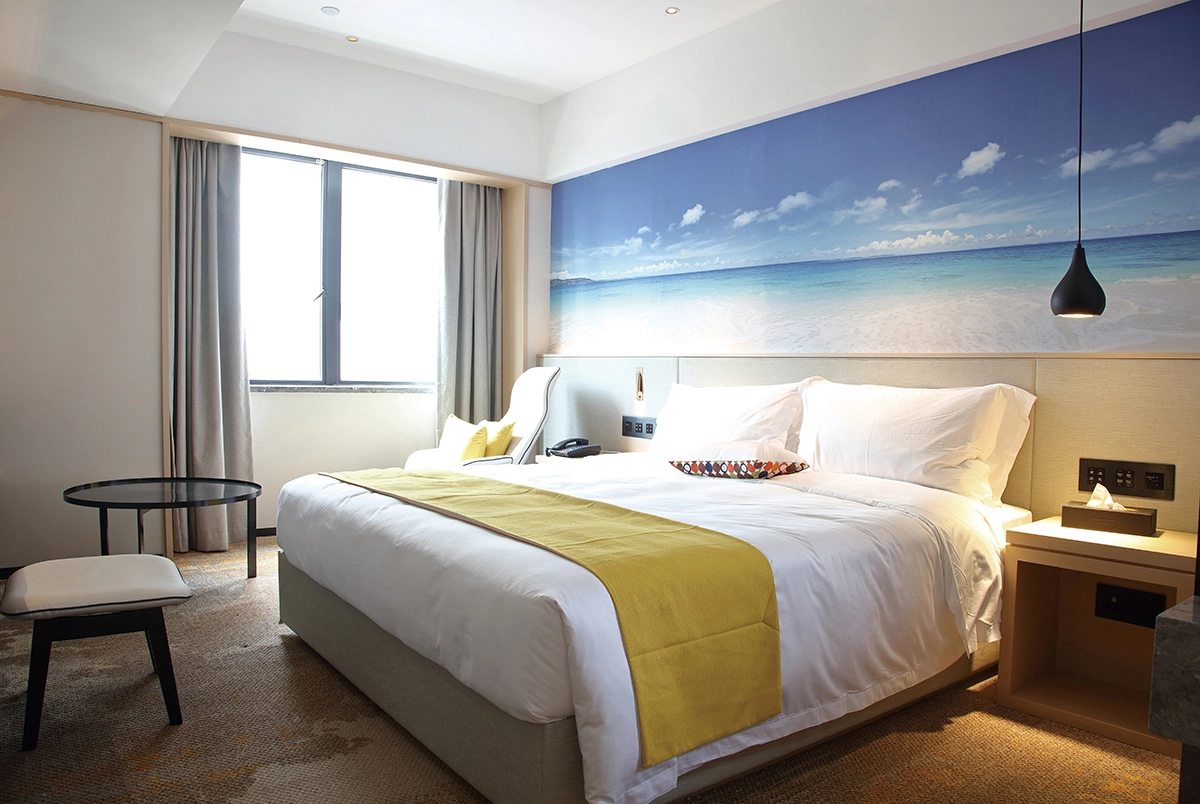
Maintenance and Warranty Guide: Ensuring the Longevity of China Hotel Furniture
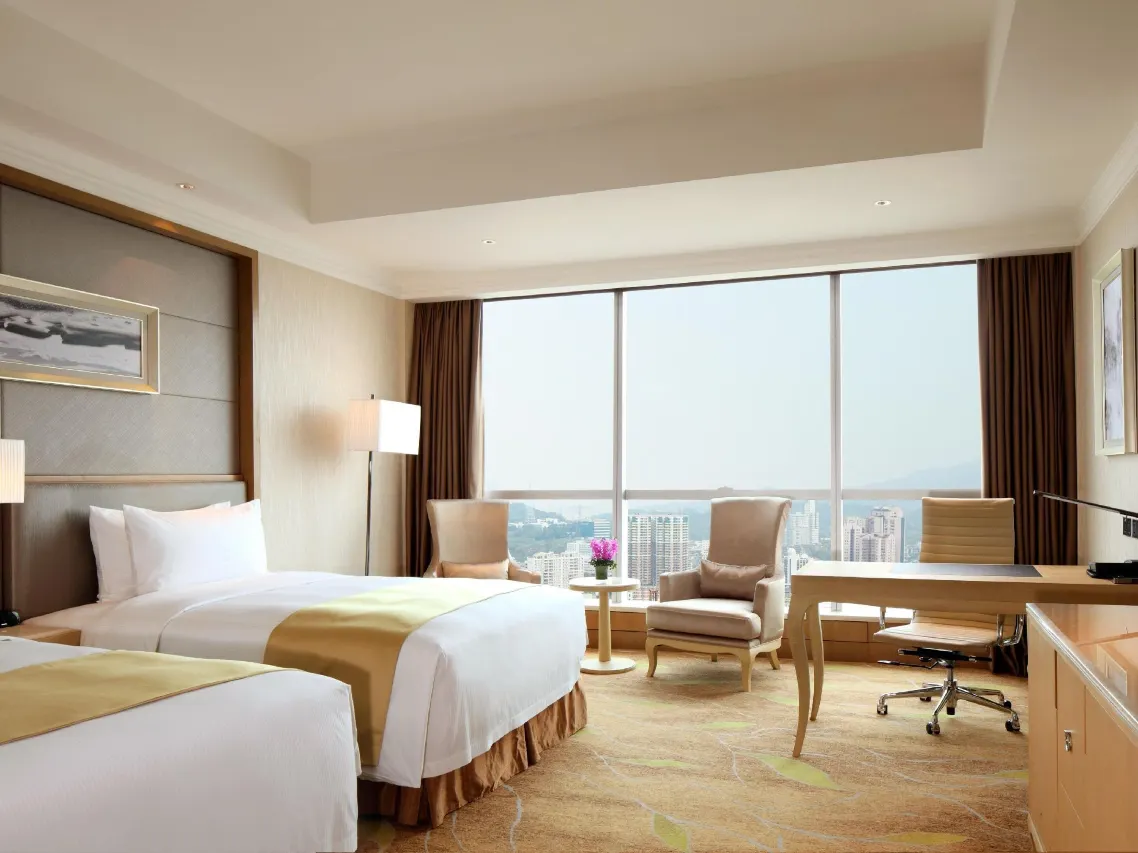
Commercial Grade Standards: Materials Used in China Hotel Furniture
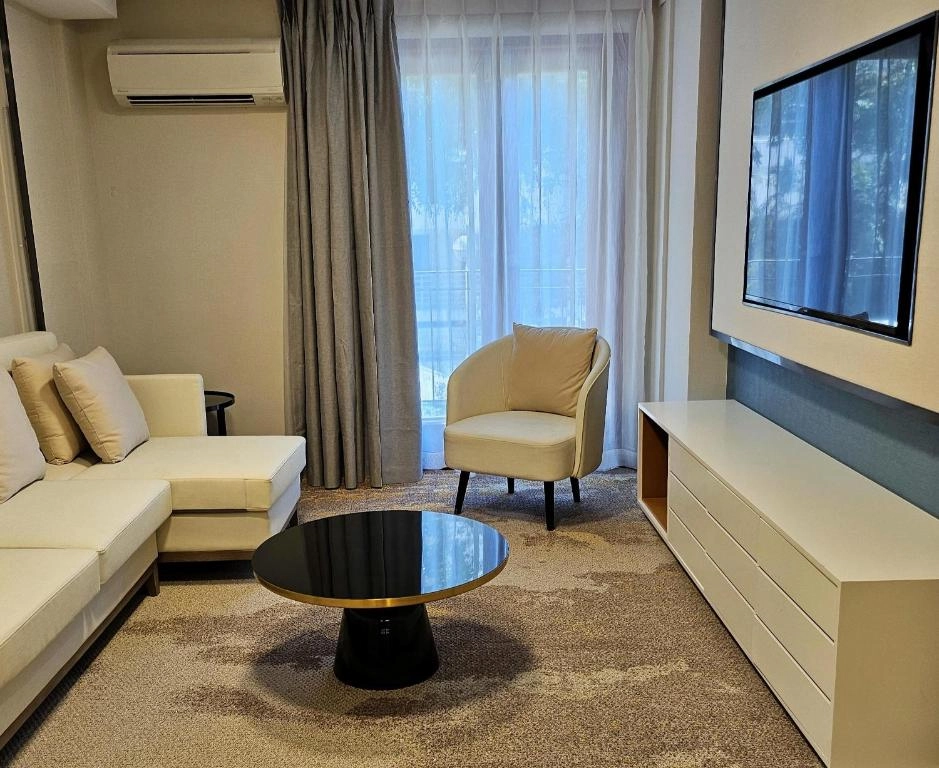
Shipping Hotel Furniture from China: Navigating Logistics and Tariffs
A Step-by-Step Guide to Implementing Professional Custom Hotel Furniture Solutions
EcoFriendly Custom Hotel Furniture Options for Sustainable Hotels
Why Choose STARJOY
Does STARJOY have experience working with hotel projects?
Yes, we have provided furniture solutions for many star-rated hotels and international hotel brands both domestically and overseas, covering high-end business hotels, resort properties, and boutique hotels. For detailed case studies, please visit the “Projects” section on our website.
About Cooperation Process
What information do I need to provide to start the cooperation process?
You need to provide your company information, product need, customization requirement, cooperation intention and other relevant information.
How to sign a cooperation agreement?
We will provide you with a draft cooperation agreement, which will be signed by both parties after confirmation to ensure the legality and standardization of the cooperation process.
Products
Have your products been exported to our country before?
Yes, in addition to exporting directly to customers, we also have orders from general contractors and trading companies. Our company has cooperated with many different countries, and we have a mature export supporting system.
About Products and Services
If there is a problem with the product, what after-sales service do you provide?
We provide comprehensive after-sales service, including return and exchange of product quality problem, repair, etc. If you encounter any problems during use, you can contact our customer service team at any time and we will solve it for you as soon as possible.
Get in Touch
We strive to provide the most thoughtful service, excellent quality and value to every customer who customizes hotel furniture from STARJOY. If you have any questions about your order, please contact us.

No.19, Gulou Industrial Zone, Jianggao Town, Baiyun District, Guangzhou
monica@starjoyglobal.com


