

How to ensure ADA compliance for lobby furniture? | Insights by STARJOY
Ensuring ADA compliance for hotel lobby furniture is crucial for providing equitable access, enhancing guest experience, and avoiding legal issues. This comprehensive guide helps hotel furniture buyers understand the key ADA standards, specific dimensions for accessible seating, tables, and reception desks, as well as critical considerations for lobby layout, materials, and finishes. Learn practical procurement strategies and common pitfalls to avoid, ensuring your custom hotel furniture selections meet all accessibility requirements while maintaining aesthetic appeal.
- How to Ensure ADA Compliance for Lobby Furniture?
- What are the fundamental ADA requirements for accessible lobby furniture?
- What specific dimensions and clearances are mandated for accessible seating and tables?
- How does ADA apply to reception desks and service counters in hotel lobbies?
- Beyond individual furniture pieces, what about accessible routes and clear floor space within the lobby layout?
- Are there specific considerations for materials, finishes, or lighting in an ADA-compliant lobby?
- What is the best approach for hotel furniture buyers to ensure ADA compliance during procurement?
- What are common pitfalls to avoid when designing or furnishing an ADA-compliant hotel lobby?
- STARJOY's Advantage in Custom ADA Compliant Hotel Furniture
How to Ensure ADA Compliance for Lobby Furniture?
For hotel owners and procurement managers, ensuring that lobby furniture is ADA (Americans with Disabilities Act) compliant is not just a legal obligation but a commitment to inclusivity and an enhanced guest experience. An accessible lobby welcomes everyone, reflecting positively on STARJOY. Navigating the ADA Standards for Accessible Design can be complex, especially when sourcing custom hotel furniture. This guide breaks down the essential considerations for furniture buyers.
What are the fundamental ADA requirements for accessible lobby furniture?
The core principle of the ADA Standards for Accessible Design (most recently the 2010 ADA Standards) is to ensure that individuals with disabilities have an equal opportunity to access and benefit from public spaces. For hotel lobbies, this means furniture and its arrangement must not create barriers. Fundamental requirements revolve around ensuring clear floor space for maneuvering, appropriate heights for various interactions, and accessible routes throughout the space. The goal is to provide seamless usability for guests using wheelchairs, mobility aids, or those with visual impairments, without compromising on style or comfort.
What specific dimensions and clearances are mandated for accessible seating and tables?
ADA compliance often comes down to precise measurements. For accessible seating and tables in a hotel lobby, key dimensions include:
- Clear Floor Space: A minimum of 30 inches (760 mm) by 48 inches (1220 mm) must be provided at accessible seating areas, allowing a person using a wheelchair to approach and use the furniture.
- Table Surface Height: The top of an accessible table or counter surface must be between 28 inches (710 mm) minimum and 34 inches (865 mm) maximum above the finished floor.
- Knee and Toe Clearance: For tables and counters where knee/toe space is required (e.g., if a person in a wheelchair is meant to sit directly under it), there must be at least 27 inches (685 mm) of clear height, 30 inches (760 mm) of clear width, and 19 inches (485 mm) of clear depth.
- Seating: While not all seating must be accessible, a reasonable number should be provided. This often means providing seats with and without armrests, or with removable armrests, to facilitate transfer. Armrests should typically be no higher than 36 inches (915 mm) to allow for easier transfer from a wheelchair.
It's vital to ensure these dimensions are met not just for standalone pieces, but also when the furniture is arranged.
How does ADA apply to reception desks and service counters in hotel lobbies?
Reception desks are a primary point of contact and must be accessible. The ADA Standards (Section 904.4 for Sales and Service Counters) require that at least one portion of a check-in counter must be accessible. This accessible portion must:
- Be at least 36 inches (915 mm) wide.
- Have a maximum height of 36 inches (915 mm) above the finished floor.
- If a forward approach is required, provide knee and toe clearance similar to tables (27 inches high, 30 inches wide, 19 inches deep). Alternatively, a lower, accessible section of the counter can be provided, or a separate accessible counter nearby.
For custom reception desks, this means integrating a lower section seamlessly into the design, or ensuring a separate, designated accessible counter is available and clearly identifiable.
Beyond individual furniture pieces, what about accessible routes and clear floor space within the lobby layout?
The overall layout of the lobby is just as important as individual furniture pieces. Accessible routes must be maintained throughout the lobby, ensuring guests with disabilities can navigate freely. Key considerations include:
- Accessible Route Width: A minimum clear width of 36 inches (915 mm) must be maintained for accessible routes. However, a 44-inch (1120 mm) width is often recommended for better comfort and flow, especially in high-traffic areas.
- Turning Space: In areas where a wheelchair user needs to change direction 180 degrees, a 60-inch (1525 mm) diameter clear turning space or a T-shaped turning space must be provided. Furniture placement must not obstruct these areas.
- Protruding Objects: Objects (including wall-mounted furniture like console tables or artwork) that protrude more than 4 inches (100 mm) into circulation paths and are between 27 inches (685 mm) and 80 inches (2030 mm) above the finished floor are considered a hazard to visually impaired guests and must be avoided.
When planning a lobby layout, visualize the path of travel for a wheelchair user from the entrance to the reception desk, seating areas, and restrooms, ensuring all paths are clear and compliant.
Are there specific considerations for materials, finishes, or lighting in an ADA-compliant lobby?
Beyond dimensions, material choices and environmental factors play a role in accessibility:
- Flooring: Surfaces must be firm, stable, and slip-resistant. Avoid thick pile carpets or uneven transitions between different flooring types that could impede wheelchair mobility.
- Reflectivity: Highly polished or reflective surfaces (floors, walls, furniture tops) can cause glare, disorienting guests with visual impairments. Opt for matte or low-sheen finishes where possible.
- Visual Contrast: For wayfinding and safety, provide good visual contrast between elements like floor and wall, or between furniture and its background. This aids guests with low vision. For example, a light-colored couch on a dark-colored rug.
- Lighting: Ensure adequate, even lighting throughout the lobby, minimizing shadows and glare, which can be critical for visually impaired guests.
What is the best approach for hotel furniture buyers to ensure ADA compliance during procurement?
Proactive planning is key. Hotel furniture buyers should:
- Specify ADA Requirements Clearly: Include specific ADA compliance clauses and required dimensions in all Request for Proposals (RFPs) and purchase orders.
- Work with Experienced Manufacturers: Partner with custom hotel furniture manufacturers who have a proven track record and deep understanding of ADA compliance. They can offer insights and solutions from the design phase.
- Review Shop Drawings Meticulously: Before production, carefully review all shop drawings to confirm that proposed furniture dimensions and clearances meet ADA standards.
- Request Mock-ups or Samples: For critical pieces like reception desks or custom seating, requesting a mock-up can help verify accessibility and spatial relationships before mass production.
- Consult an Accessibility Expert: For large-scale projects, consider engaging an ADA consultant to review designs and procurement plans.
What are common pitfalls to avoid when designing or furnishing an ADA-compliant hotel lobby?
Even with good intentions, mistakes can happen. Common pitfalls include:
- Blocking Accessible Routes: Placing decorative items, planters, or furniture in a way that narrows a required 36-inch path.
- Insufficient Knee/Toe Clearance: Designing tables or counters that look accessible but lack the necessary under-counter clearance.
- Reception Desks Too High: Forgetting to include an accessible lower section at the main reception desk.
- Lack of Contrast: Using monochromatic schemes that make it difficult for visually impaired guests to discern changes in surface or locate features.
- Protruding Objects: Installing wall-mounted elements that create hazards in circulation paths.
- Neglecting Ongoing Maintenance: Over time, wear and tear or temporary re-arrangements can compromise compliance. Regular checks are essential.
By understanding and applying these guidelines, hotel furniture buyers can confidently procure custom pieces that not only elevate the aesthetic of their lobby but also ensure it is welcoming and accessible to every guest.
STARJOY's Advantage in Custom ADA Compliant Hotel Furniture
STARJOY stands as a premier partner for hotels seeking to combine exquisite design with uncompromising accessibility. Specializing in custom hotel furniture, STARJOY leverages extensive industry experience to integrate ADA compliance seamlessly into every design and manufacturing process. Our team works closely with clients, from initial concept to final installation, ensuring that all pieces—from reception desks and lobby seating to communal tables and accent furniture—meet the stringent ADA Standards for Accessible Design. With STARJOY, you benefit from meticulous attention to detail, high-quality materials, timely delivery, and the assurance that your lobby furniture is not only visually stunning but also fully inclusive and legally compliant, enhancing the experience for all your guests.
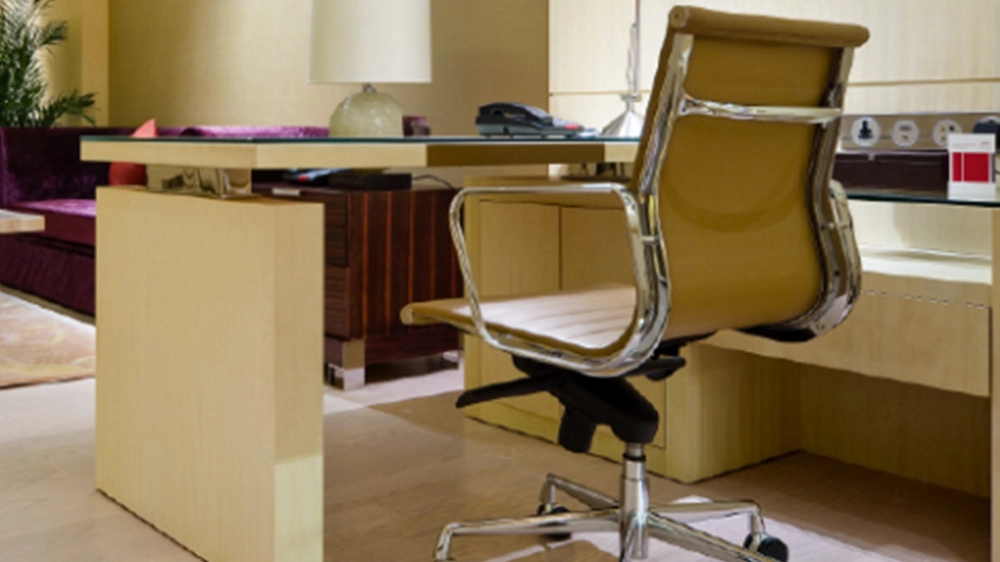
How to Make Your Desk Chair More Comfortable: 6 Expert Tips
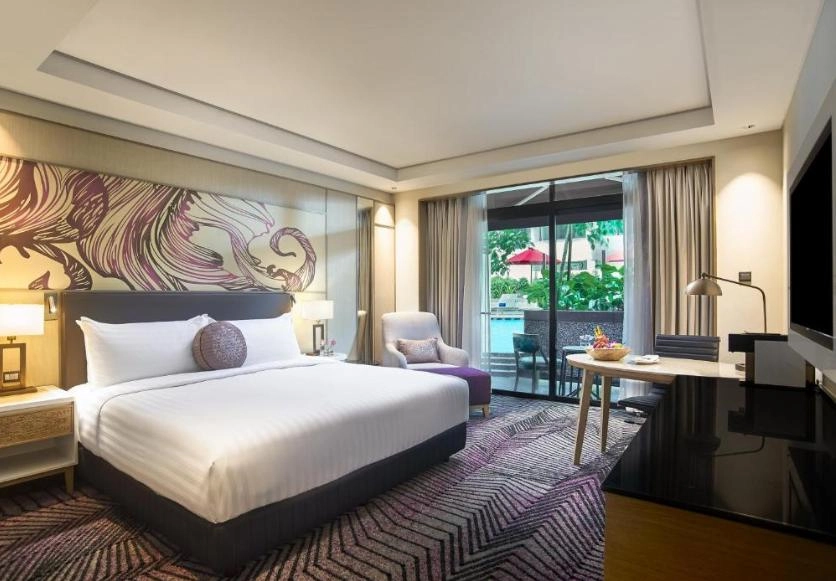
Starjoy Hotel Furniture: Crafting Premium Hospitality Spaces with Custom Solutions
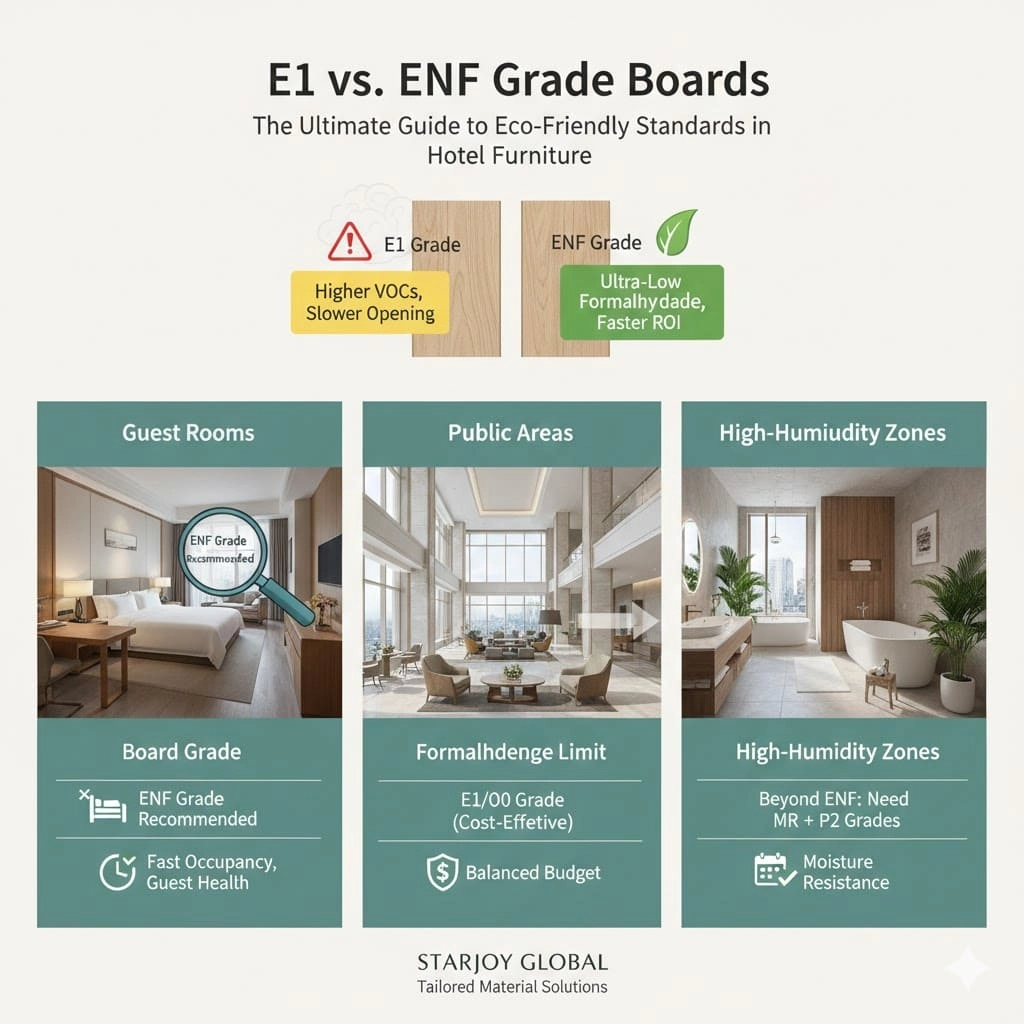
E1 vs. ENF Grade Boards: The Ultimate Guide to Eco-Friendly Standards in Hotel Furniture
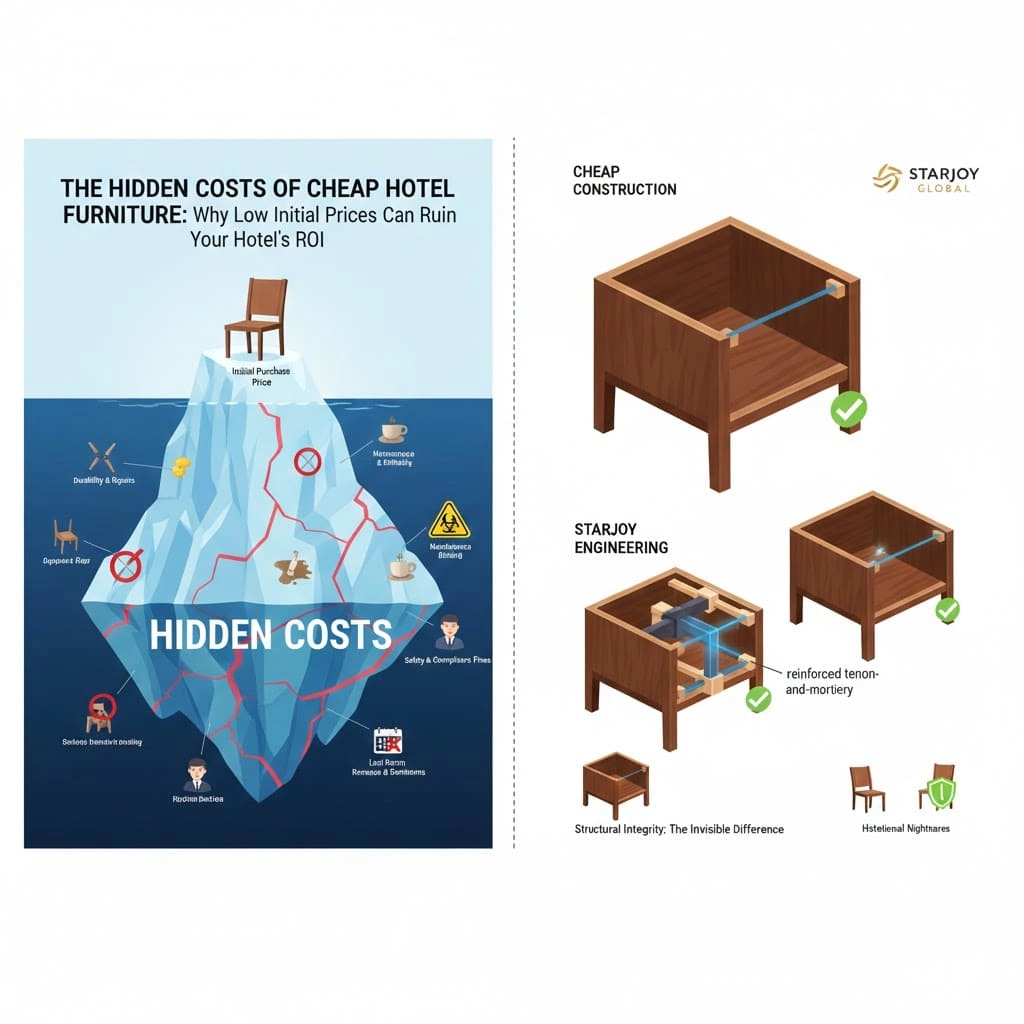
The Hidden Costs of Cheap Hotel Furniture: Why Low Initial Prices Can Ruin Your Hotel’s ROI

Why Global Hotels Prefer Working with Chinese Furniture Manufacturers (and How to Find the Best One)
About Products and Services
What types of hotel furniture do you provide?
We provide a wide range of hotel furniture product, including hotel public area furniture (lobby, restaurant, conference room, etc.), guest room furniture and outdoor furniture, etc.
Do you provide customization service?
Yes, we do. According to the specific needs of customers and the characteristics of the venue, we can tailor hotel furniture products that meet the requirement for customer.
Who will bear the freight and tariffs?
Freight is usually borne by the buyer, and the specific cost will be calculated based on factor such as the volume of the goods, transportation method and distance. Taxes such as tariffs and value-added tax are determined according to the import policy of the destination country, and the buyer needs to understand and pay them by himself.
About Cooperation Process
What support can I get during the cooperation?
During the cooperation period, we will provide you with professional technical support, marketing suggestions and timely after-sales service.
Products
Have your products been exported to our country before?
Yes, in addition to exporting directly to customers, we also have orders from general contractors and trading companies. Our company has cooperated with many different countries, and we have a mature export supporting system.
Get in Touch
We strive to provide the most thoughtful service, excellent quality and value to every customer who customizes hotel furniture from STARJOY. If you have any questions about your order, please contact us.

No.19, Gulou Industrial Zone, Jianggao Town, Baiyun District, Guangzhou
monica@starjoyglobal.com


