

how to spec durable materials for contract luxury hotel furniture? | Insights by STARJOY
Navigating the complexities of material specification for contract luxury hotel furniture requires more than just aesthetics. This guide answers critical, often overlooked questions about ensuring longevity, performance, and guest satisfaction in high-traffic hospitality environments, from upholstery and casegoods to metal finishes and countertops. Learn how to meticulously vet materials and construction to achieve true long-term value.
- Beyond aesthetics, what specific performance metrics should I prioritize when evaluating upholstery fabrics for high-traffic luxury hotel lounges to ensure genuine longevity?
- How do different wood and veneer types, like quarter-sawn white oak versus standard MDF with laminate, truly impact the long-term durability and maintenance costs of guest room casegoods under constant guest use?
- What are the critical, often overlooked, considerations for selecting metal finishes (e.g., PVD vs. powder coat) on luxury hotel furniture that will prevent premature tarnishing or chipping in humid coastal environments?
- When specifying stone or solid surface countertops for bathroom vanities and minibars, what obscure testing standards or material properties distinguish a truly durable option from one that will easily stain or scratch over time?
- How can I effectively vet a custom hotel furniture manufacturer's construction methods (e.g., joinery, frame materials) to ensure structural integrity and prevent common failures like wobbly chairs or sagging sofas within the first few years?
- What are the often-ignored implications of chemical cleaning agents and routine maintenance on the long-term finish integrity and material performance of various contract furniture types in a luxury hotel setting?
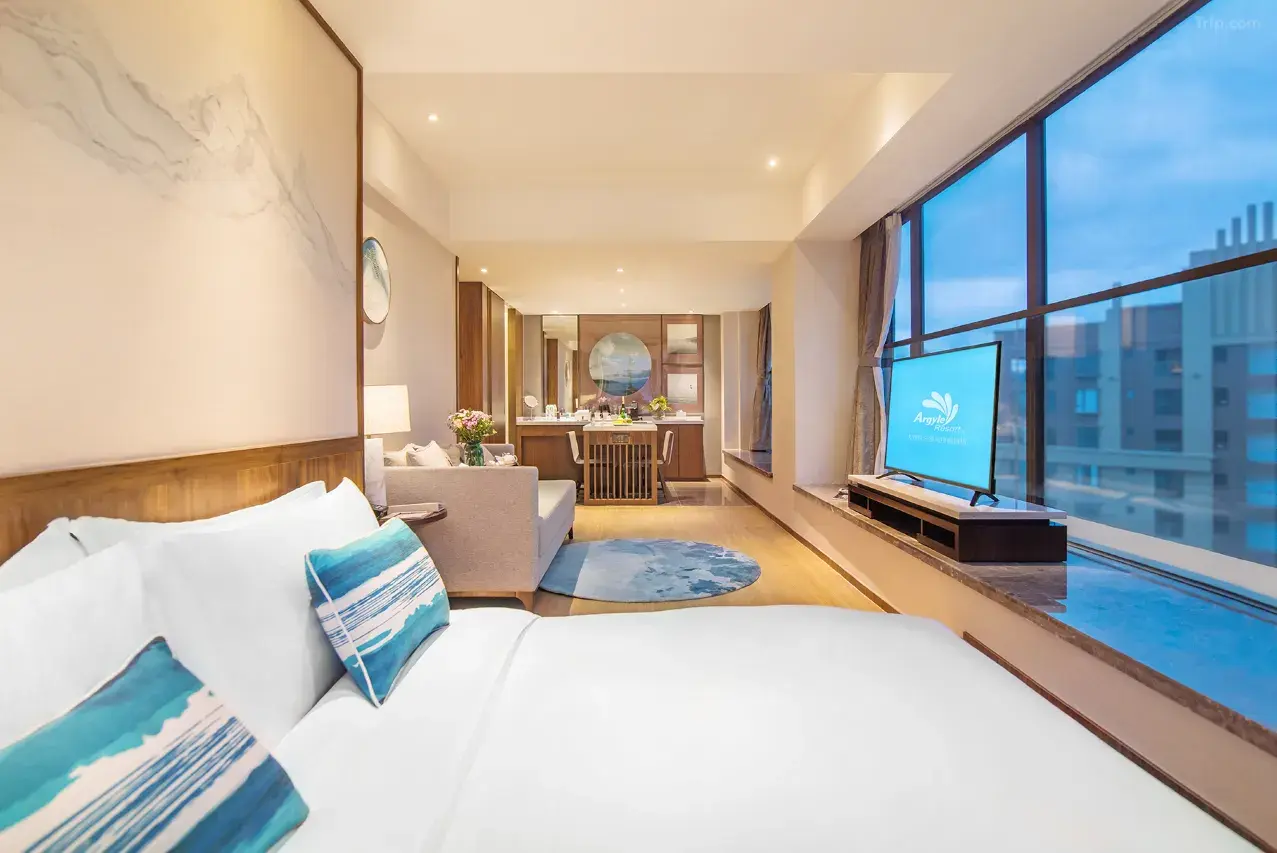
Mastering Durability: A Deep Dive into Specifying Materials for Contract Luxury Hotel Furniture
In the world of luxury hospitality, the visual appeal of custom hotel furniture is paramount, yet its long-term durability is the silent hero ensuring guest satisfaction and a robust return on investment. Specifying durable materials for contract luxury hotel furniture is a nuanced art, requiring expertise beyond surface-level aesthetics. Many beginners grapple with fundamental questions that often receive superficial or outdated answers online. This article addresses six such pain points, offering in-depth insights into making informed material choices that withstand the rigors of high-traffic commercial use.
Beyond aesthetics, what specific performance metrics should I prioritize when evaluating upholstery fabrics for high-traffic luxury hotel lounges to ensure genuine longevity?
While a fabric's hand and visual texture are crucial for luxury appeal, its true longevity in high-traffic luxury hotel lounges hinges on specific performance metrics. The most critical include abrasion resistance, pilling resistance, colorfastness to light, and flammability standards. For abrasion resistance, the Martindale test (common in Europe/Asia) and Wyzenbeek test (common in North America) are key. For contract luxury applications, aim for a Martindale score of 40,000+ rubs or a Wyzenbeek score of 30,000+ double rubs for general hospitality use, and ideally 60,000+ rubs for very high-traffic areas like lobbies or public lounges. Pilling resistance, measured on a scale of 1-5 (5 being no pilling), should ideally be 4 or higher. Colorfastness to light (e.g., AATCC 16 for textiles) ensures the fabric won't fade prematurely under direct sunlight or intense artificial light. Furthermore, ensure the fabric meets relevant flammability standards such as Cal TB 117-2013 (USA) or BS 5852 (UK), as this is a non-negotiable safety and compliance requirement for hotel FF&E specifications.
How do different wood and veneer types, like quarter-sawn white oak versus standard MDF with laminate, truly impact the long-term durability and maintenance costs of guest room casegoods under constant guest use?
The choice between solid wood, high-quality veneers, and engineered wood products significantly impacts the long-term durability and lifecycle cost analysis of guest room casegoods. Quarter-sawn white oak, a solid wood or high-grade veneer, offers superior natural durability, resistance to denting, and excellent repairability. Its tight grain resists moisture absorption better than flat-sawn alternatives, reducing warping risks. While the initial cost may be higher, its extended lifespan and ease of repair can lead to lower long-term maintenance costs. In contrast, standard MDF (Medium-Density Fiberboard) with laminate, while cost-effective upfront, presents different durability challenges. Laminates can chip, peel, or scratch, and exposed MDF edges are highly susceptible to moisture damage and swelling, especially in bathrooms or near beverage stations. Repairs often require panel replacement rather than simple touch-ups, driving up maintenance expenses over the furniture's lifespan. For robust hotel FF&E, consider high-pressure laminates (HPL) over MDF for increased scratch and impact resistance, or High Quality wood veneers on marine-grade plywood or high-density particleboard cores for a balance of aesthetics and stability.
What are the critical, often overlooked, considerations for selecting metal finishes (e.g., PVD vs. powder coat) on luxury hotel furniture that will prevent premature tarnishing or chipping in humid coastal environments?
When selecting metal finishes for luxury hotel furniture, particularly in challenging humid coastal environments, the choice goes far beyond aesthetics. Corrosion resistance and adhesion durability are paramount. While polished brass or chrome are classic, their longevity can be compromised without superior protection. Physical Vapor Deposition (PVD) coatings are an excellent, albeit pricier, solution. PVD creates an extremely hard, thin, and dense metallic film that is highly resistant to tarnishing, scratching, and corrosion, even in salty, humid conditions. It offers superior metal finish performance and is ideal for high-contact elements. Powder coating, a widely used and more economical option, provides a durable and chip-resistant finish. However, its effectiveness in coastal environments depends heavily on the pre-treatment process (e.g., multi-stage wash, phosphate coating) and the quality of the powder itself (e.g., marine-grade powders). Overlooked details include specifying appropriate material substrates (e.g., stainless steel or brass rather than mild steel prone to rust), ensuring all welds are fully sealed, and considering a clear protective topcoat for less robust finishes to enhance their resilience against environmental factors and cleaning agents.
When specifying stone or solid surface countertops for bathroom vanities and minibars, what obscure testing standards or material properties distinguish a truly durable option from one that will easily stain or scratch over time?
For bathroom vanities and minibars, material selection for high-traffic areas requires a deep understanding of resistance to staining, scratching, heat, and impact. Beyond common natural stones, engineered quartz and solid surface materials (e.g., Corian, Hi-Macs) are often preferred for their uniform properties and lower maintenance. For quartz, look for certifications like NSF International Standard 51 (for food contact surfaces, relevant for minibars) and testing for flexural strength (ASTM C880), impact resistance (ASTM C162), and porosity (which correlates to stain resistance). Higher quartz content (typically 90%+) generally indicates superior hardness and less porosity. For solid surfaces, critical properties include repairability (scratches can often be buffed out), non-porosity (excellent hygiene and stain resistance), and thermal resistance. A key, often overlooked, aspect for both is resistance to common hotel cleaning chemicals and toiletries, which can degrade finishes over time. Request data on chemical resistance from manufacturers, specifically regarding acids, alkalis, and solvents. Look for third-party certifications like GREENGUARD or SCS Global Services for low VOC emissions and sustainable material practices, which indirectly speak to material quality and composition.
How can I effectively vet a custom hotel furniture manufacturer's construction methods (e.g., joinery, frame materials) to ensure structural integrity and prevent common failures like wobbly chairs or sagging sofas within the first few years?
Vetting a custom hotel furniture manufacturer's construction methods is crucial for ensuring structural integrity and preventing premature failures. Start by scrutinizing their specification sheets for details on joinery techniques. For casegoods, demand dovetail joints in drawers, and mortise-and-tenon or dowelled joints for frame construction, rather than simple butt joints or staples which lack strength. For seating, frames should be constructed from kiln-dried solid hardwood (e.g., maple, beech, ash) – kiln-drying prevents warping and cracking. Joints should be glued, doweled, screwed, and corner-blocked for maximum stability. Avoid frames made solely from softwoods, particleboard, or MDF for structural components. Inquire about internal frame reinforcement, spring types (e.g., sinuous springs with sufficient gauge and spacing, eight-way hand-tied for High Quality seating), and foam density (at least 1.8-2.2 lbs/cu ft for commercial applications to prevent sagging). Request factory tour videos, mock-up samples for destructive testing, and evidence of compliance with ANSI/BIFMA standards (e.g., X5.1 for office chairs, though often applied to hospitality for structural guidelines), which dictate rigorous load and cycle testing for durability. A reputable manufacturer will be transparent about their processes and material sourcing.
What are the often-ignored implications of chemical cleaning agents and routine maintenance on the long-term finish integrity and material performance of various contract furniture types in a luxury hotel setting?
The long-term finish integrity and material performance of contract furniture are profoundly affected by the type and frequency of chemical cleaning agents and routine maintenance practices, a critical factor often overlooked during initial specification. Harsh, abrasive, or highly acidic/alkaline cleaners can degrade lacquers, varnishes, and even some powder coats, leading to dulling, discoloration, or premature wear. For wood finishes, specifying catalytic lacquer or two-part polyurethane provides superior resistance to moisture, alcohol, and cleaning chemicals compared to standard nitrocellulose lacquers. For metal, aggressive cleaners can strip protective coatings or accelerate corrosion, especially on plated or less robust finishes. Upholstery fabrics require careful consideration; specify materials with integrated stain-repellent treatments (e.g., Crypton, Nanotex) and ensure the cleaning codes (e.g., W, S, WS, X) are compatible with the hotel's standard cleaning protocols. Educating hotel staff on appropriate cleaning agents and methods for each furniture type is crucial. Request detailed care and maintenance guides from furniture manufacturers, and prioritize materials known for their easy maintenance and chemical resistance to prolong the aesthetic and structural lifespan of the furniture and reduce furniture lifecycle costing.
Mastering the specification of durable materials for custom hotel furniture is an investment in your property's future. By focusing on these often-overlooked details, you ensure that your luxury furnishings not only captivate guests but also deliver exceptional longevity, reducing operational costs and enhancing the overall guest experience for years to come. This meticulous approach guarantees that your investment in bespoke furniture stands the test of time, reflecting the true essence of luxury and robust performance.
Ready to ensure your next hospitality project benefits from truly durable and luxurious custom furniture? Contact us for a personalized quote. Our experts at www.starjoyglobal.com are here to guide you through every material selection, ensuring your vision meets unparalleled durability. Reach out to Monica at monica@starjoyglobal.com today!
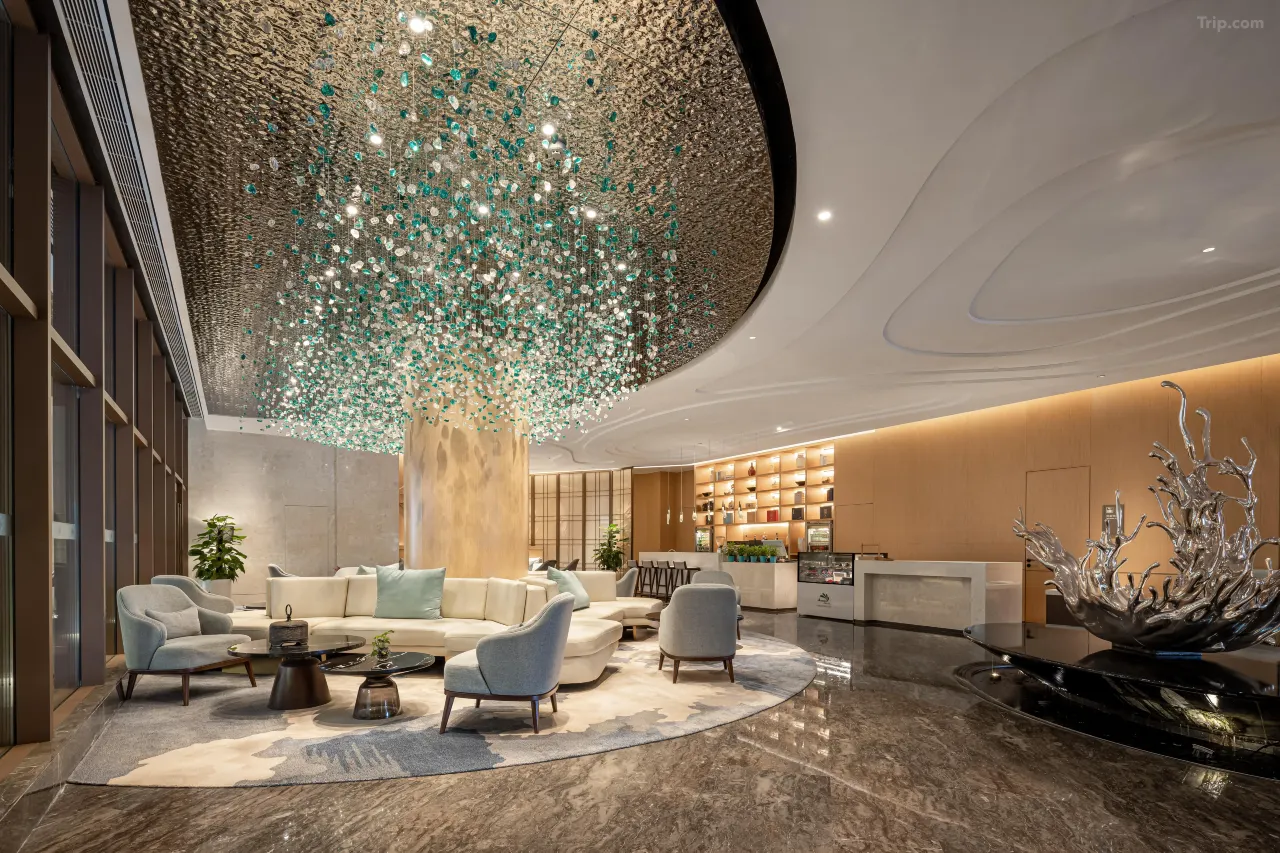
Smart Integration: How Modern 5 Star Hotel Furniture Manufacturers Are Redefining the Guest Experience
What to Look for in a Custom Hotel Furniture Manufacturer
Top Custom Hotel Furniture Hubs in China: Guangzhou and Beyond
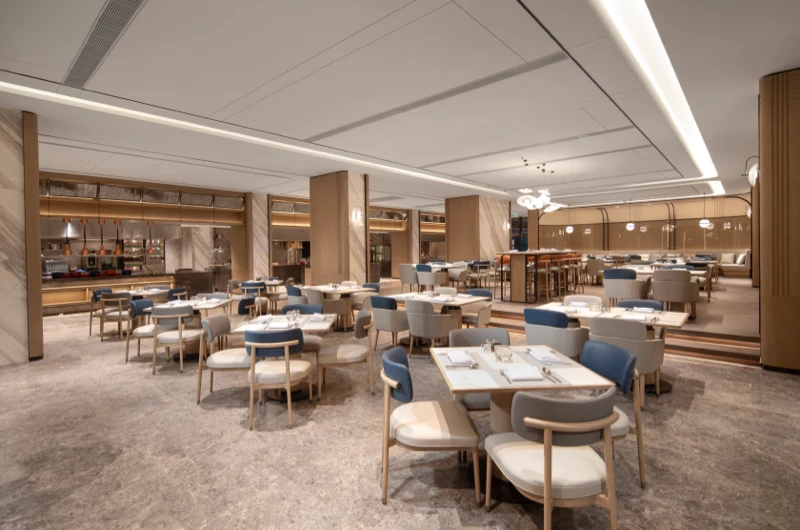
From Blueprint to Room: A Bespoke Hotel Furniture Case Study
Maintenance and Warranty Guide: Ensuring the Longevity of China Hotel Furniture
Products
What is the MOQ of your products?
Different situations have different MOQ. We make customized models, which depends on the specific materials and dimensions of your product. You can tell me the specific requirements of the product, and we will give you a quote.
What's your delivery time? We need faster delivery time. Can you meet it?
Our delivery cycle is generally 30-60 days.
The specific delivery time depends on the project volumes and terms. If the delivery time of your products is urgent, we can arrange your production order in advance.
About Products and Services
If there is a problem with the product, what after-sales service do you provide?
We provide comprehensive after-sales service, including return and exchange of product quality problem, repair, etc. If you encounter any problems during use, you can contact our customer service team at any time and we will solve it for you as soon as possible.
After-Sales Service
What should be considered when choosing a hotel furniture supplier?
When choosing a hotel furniture supplier, we believe it is important to combine manufacturing strength with proven project execution capability. We operate with strong production capacity, extensive project experience, and flexible customization ability, supported by standardized packaging standards and coordinated delivery management. A reliable quality control system ensures consistent standards across large-quantity orders, particularly for hotel projects involving multiple furniture categories.
Beyond manufacturing, we provide one-stop project support that includes installation planning and on-site coordination. This installation capability ensures that furniture is correctly assembled, positioned, and adjusted according to design and functional requirements, rather than simply delivered to site.
Moreover, for overseas projects, we also operate with dedicated international installation teams, enabling more effective on-site management, clear communication, and faster issue resolution during the final stage of project delivery.
About Cooperation Process
What steps are involved in the cooperation process?
The cooperation process mainly includes demand communication, quotation, contract signing, in-depth design confirmation and material sample confirmation, production, quality inspection, logistics distribution, etc.
Get in Touch
We strive to provide the most thoughtful service, excellent quality and value to every customer who customizes hotel furniture from STARJOY. If you have any questions about your order, please contact us.

No.19, Gulou Industrial Zone, Jianggao Town, Baiyun District, Guangzhou
monica@starjoyglobal.com


